RiNo Denver Neighborhood Lifestyle: Lofts, Art & Transit
May 21, 2026
May 21, 2026
Wondering if RiNo is all murals and nightlife, or if it can actually work as home? That is a fair question, especially if you want a neighborhood with personality and practical day-to-day livability. If you are considering a move to Denver’s River North Art District, this guide will help you understand what living here really feels like, from loft-style housing and creative energy to parks, transit, and the tradeoffs that come with a fast-evolving urban area. Let’s dive in.
RiNo sits just north of downtown Denver, and its industrial roots still shape the area today. The district describes itself as a former hub of foundries, factories, and warehouses that later attracted artists as industrial activity moved out. That history helps explain why the neighborhood still feels layered, creative, and a little different block by block.
RiNo also spans parts of Globeville, Elyria-Swansea, Five Points, and Cole. Because of that, the area does not feel uniform from one end to the other. As you explore, you will notice that some pockets lean more residential, while others feel more focused on restaurants, studios, breweries, and nightlife.
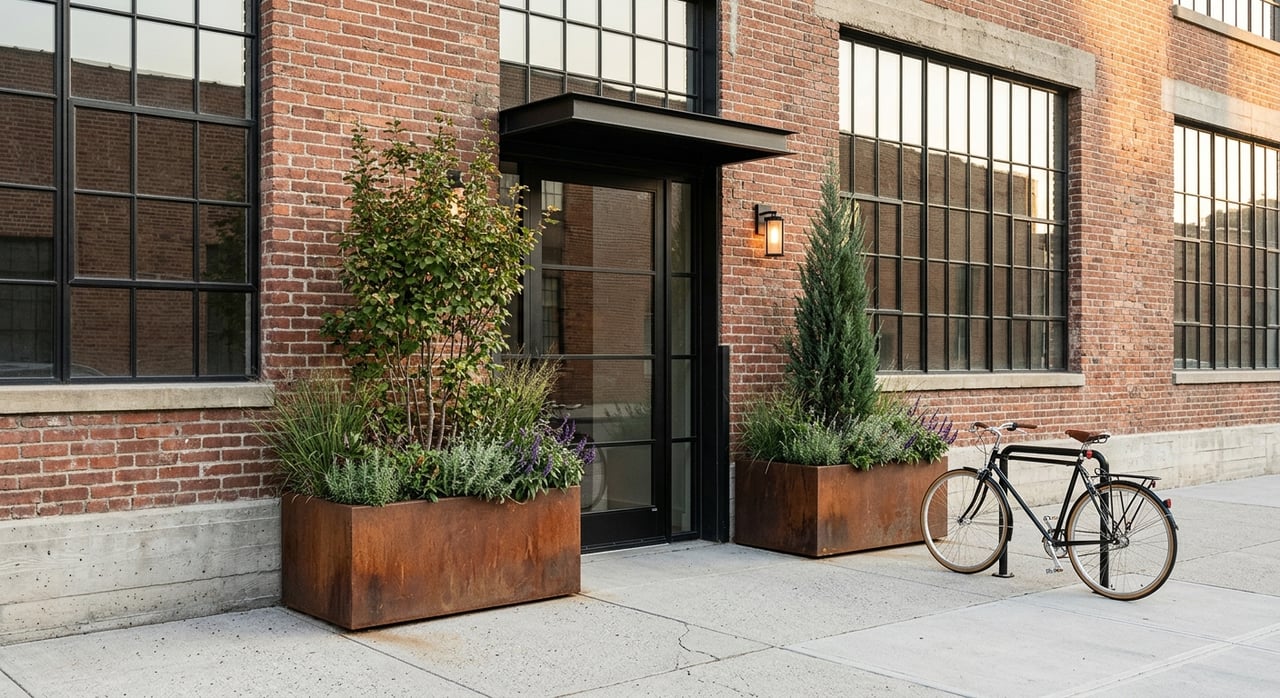
If you picture exposed brick, tall ceilings, steel details, and converted warehouse buildings, you are not imagining things. Loft living is a real part of RiNo’s identity, and it is closely tied to the neighborhood’s adaptive reuse story. Artists originally moved into vacant industrial buildings, and that same built form still influences how the area looks and functions today.
Two well-known examples help show that pattern. Silver State Lofts was a 1911 laundry factory that was converted to for-sale lofts in 2002, while Backyard on Blake redeveloped a warehouse site into a mixed-use project with residential, office, studio, retail, and restaurant space. In practical terms, that means you will find housing that often feels connected to the street, local businesses, and the neighborhood’s industrial design character.
RiNo can be a strong fit if you want an in-town lifestyle with design-forward surroundings and active ground-floor spaces. It may appeal to you if you like being close to coffee shops, breweries, restaurants, and public art, and if you are comfortable in a neighborhood that still feels in motion.
The district’s planning documents also make it clear that RiNo is still evolving. Affordable creative space, mobility, and public realm improvements remain active priorities. So if you move here, you are not choosing a frozen-in-time neighborhood. You are choosing one that continues to change.
RiNo’s identity is built around art, not just as branding, but as part of the everyday experience. The district is a nonprofit arts organization founded in 2005 and is recognized as a Certified Colorado Creative District. That creative focus shows up in murals, artist studios, public spaces, and regular community events.
The mural presence alone is hard to miss. RiNo’s mural map catalogs more than 100 installations, with more still being inventoried. That matters because the neighborhood’s visual character is not static. Walls, alleys, and building facades can shift over time, which adds to the sense that the area is constantly creating something new.
If you want a simple way to experience RiNo’s creative side, First Friday is a good starting point. RiNo Art District says the First Friday Festivals at ArtPark are free monthly events with live music, local artists, food trucks, vendors, hands-on activities, and family programming.
ArtPark itself adds another layer to the neighborhood. It is described as a public park and creative hub along the South Platte River, with artist studios, the Bob Ragland Branch of the Denver Public Library, and historic buildings that have been reimagined through adaptive reuse. That mix helps make the arts scene feel woven into daily neighborhood life rather than tucked inside a few formal galleries.
RiNo has one of Denver’s strongest craft beverage clusters, and that shapes the neighborhood’s energy in a big way. The district’s brewery directory includes Bierstadt Lagerhaus, BrewDog Denver, The Great Divide Brewery & Roadhouse, Our Mutual Friend Brewing, Ratio Beerworks, River North Brewery, and Spangalang Brewery. Visit Denver also notes that RiNo includes urban wineries and cideries.
That concentration gives you a lot of options within a relatively compact area. Whether you want a casual meetup, a weekend stop with friends, or a regular local spot, you will find a strong mix of beverage-focused destinations here.
The restaurant scene is layered too. Visit Denver highlights a range from polished dining to more casual staples, along with food halls and markets such as The Source Hotel & Market Hall and Denver Central Market. For daily life, that means RiNo can support a live-work-social rhythm without requiring you to leave the neighborhood for every outing.
RiNo is not only active during the day. Live music and nightlife help keep the area moving into the evening. Visit Denver points to spots like Nocturne in a restored warehouse setting, along with nearby venues such as Mission Ballroom and Larimer Lounge.
If you are drawn to urban energy, that is a major plus. If you prefer quieter surroundings, it is something to weigh carefully when comparing blocks and buildings. In RiNo, the atmosphere can shift noticeably depending on your exact location.
RiNo’s industrial image sometimes overshadows its growing outdoor amenities, but those spaces are becoming more visible and useful. Denver Parks & Recreation says Arkins Promenade transformed Arkins Court from 35th to 38th Avenues into a riverfront pedestrian corridor with walking and bike access, gathering areas, play areas, overlooks, public art, and stormwater planters.
Nearby, River North Park at 35th and Arkins Court adds more riverside open space. The park includes a multi-purpose green space, play features, artwork, an integrated water-quality feature, and repurposed buildings for community use. If you want city living with some room to walk, bike, or sit outside, these improvements make a difference.
RiNo stands out for bike access in central Denver. The district says there are bike lanes in both directions on Blake and Larimer, protected bike lanes on Brighton Boulevard, and several pedestrian bridges over the rail lines.
That infrastructure supports a more car-light lifestyle, especially if you like running errands by bike or linking into nearby parts of the city. At the same time, the district notes that rail crossings and elevator outages can occasionally create challenges for cyclists and guests with mobility needs. It is a good reminder that convenience here is real, but not always friction-free.
Transit is one of RiNo’s practical strengths. The district says that from 38th & Blake Station, you can reach RiNo ArtPark in about 10 to 15 minutes on foot. RTD says the A Line connects Denver Union Station and Denver International Airport, runs 23 miles with eight stations, and operates at 15-minute headways during most of the day.
For many buyers, that is a meaningful lifestyle advantage. If you travel often, commute downtown, or want easier airport access, RiNo offers a level of rail connectivity that can simplify your routine.
RTD also lists 38th / Blake Station as a rail station park-and-ride with bike racks and lockers, paid parking, A Line service, and bus routes 7 and 12. That makes the station useful whether you are commuting, meeting friends, or connecting to other parts of Denver.
No neighborhood is perfect, and RiNo’s own planning documents point to the issues that come with growth. Affordability, mobility and transportation, safety, cleanliness, and infrastructure needs remain ongoing priorities in the district.
That does not make RiNo a bad fit. It simply means you should view it clearly. This is a lively urban neighborhood with strong momentum, visible investment, and a distinct identity, but it is also still evolving rather than fully settled.
RiNo may be a great fit if you want a neighborhood with design character, strong local food and drink options, public art, and solid transit access. It can also work well if you enjoy walkable, bike-friendly surroundings and like the idea of living near a mix of work, culture, and entertainment.
It may take a little more thought if your top priority is quiet, predictability, or a more traditional residential feel. In that case, your exact building, block, and proximity to activity corridors will matter a lot.
If you are exploring RiNo, the best next step is to look beyond the headline version of the neighborhood. Touring a few different pockets, comparing building styles, and thinking through your day-to-day routines can help you decide whether RiNo’s energy matches the way you want to live.
If you want help narrowing down the right fit in RiNo or comparing it with other Denver neighborhoods, Mariel Ross can guide you with a local, thoughtful approach.
Stay up to date on the latest real estate trends.

Whether you’re buying or selling, I’m here to guide you through every step of the process. With personalized service and a deep understanding of the market, I’ll ensure your real estate experience is successful.