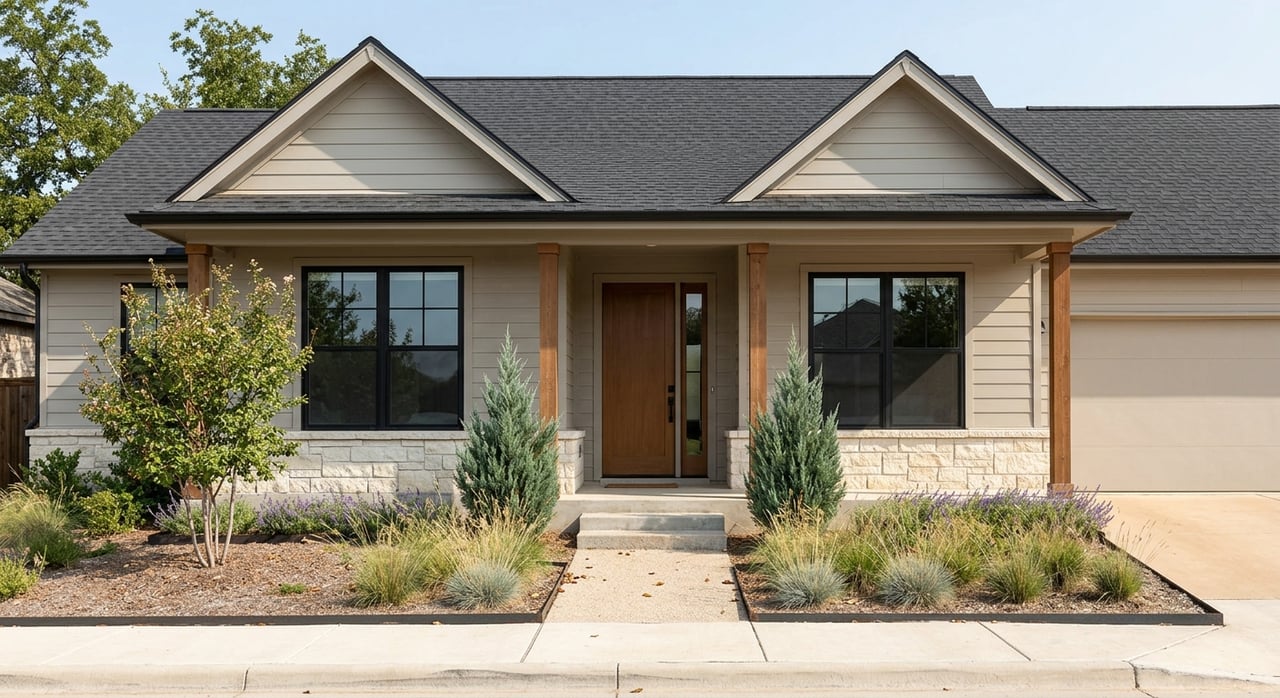
Relocating to Lone Tree Colorado: A Housing Guide for DTC & Sky Ridge Staff
April 23, 2026
April 23, 2026
Thinking about a move to Lone Tree because your work is in DTC or at Sky Ridge? You are not alone. For many relocating professionals, the goal is simple: cut commute stress, find the right home style, and land in an area that fits your budget and daily routine. This guide will help you understand how Lone Tree is laid out, what housing options look like, and which parts of the city may make the most sense for your move. Let’s dive in.
Lone Tree works well as a home base because it sits right in the south-metro commuter corridor. According to the City of Lone Tree transportation overview, the city is served by I-25, C-470, and E-470, has five light rail stations, and offers Link on Demand, a free shuttle that connects transit, jobs, shopping, and recreation within Lone Tree and Meridian.
If you work in DTC, that road and rail access can make daily travel more manageable. If you work at Sky Ridge, transit access may matter even more because the city’s transportation page notes that Sky Ridge Station is near the hospital and does not offer RTD parking. That makes nearby housing, rideshare options, and local shuttle access especially relevant.
The city is also planning for connected trails, bikeways, and walkways to help link workplaces, stores, parks, and other destinations. For you, that can mean more flexibility in how you get around, especially if you want a low-maintenance routine close to work and services.
A big part of Lone Tree’s appeal comes from RidgeGate. The City of Lone Tree’s RidgeGate planning page says this area east of I-25 and south of Lincoln is the city’s largest growth area and includes a 400-acre City Center.
That same page says RidgeGate is already home to nearly 5,000 residents and is planned for about 30,000 residents and 50,000 jobs at buildout. The west side of RidgeGate includes HCA HealthONE Sky Ridge, Charles Schwab, Kiewit, plus retail, commercial space, and residential neighborhoods.
For relocating clinicians and other south-metro professionals, this matters because it creates a practical live-near-work option. You can focus your search in an area that continues to add housing, services, and public amenities instead of starting from scratch across the broader metro.
Lone Tree is best understood as a premium south-metro market with a broad price range. Market snapshots vary depending on source and timing, so it is smart to look at trends with some caution.
Redfin’s Lone Tree market page showed a median sale price of $857,000 in March 2026, with homes averaging 23 days on market. Meanwhile, Realtor.com’s Lone Tree overview showed a median home price of $754,950 in January 2026, a 98% sale-to-list ratio, and 88 days on market.
Those numbers do not tell exactly the same story. One snapshot points to a faster, more competitive environment, while the other suggests more buyer leverage. The clearest takeaway is that Lone Tree is not one uniform market. Depending on the neighborhood, property type, and timing, you may see very different pricing and negotiation dynamics.
If you are relocating on a defined budget, neighborhood-level pricing can help you narrow the map faster. Realtor.com’s neighborhood medians through January 2026 show a wide spread across Lone Tree.
| Area | Median Price |
|---|---|
| Lyric | $577,515 |
| RidgeGate West | $787,250 |
| Rampart Range | $1,090,000 |
| Heritage Hills | $1,780,000 |
This range suggests a useful price ladder. Lyric may appeal if you want newer attached housing and a lower entry point into Lone Tree. RidgeGate West moves into a mid-to-upper price tier, while areas like Rampart Range and Heritage Hills represent the higher end of the city’s detached-home inventory.
One reason Lone Tree works for a wider group of buyers is that the housing mix is not limited to large detached homes. Recent city projects show continued growth in attached and multifamily options.
The City of Lone Tree project page for Southwest Village, also called Lyric notes approvals for 190 condominium units and 80 townhomes. The city also says Hawkview at Willow Creek will add 274 townhomes, while Park Meadows and Lincoln Station include larger multifamily projects. RidgeGate West and Central Village also include market-rate multifamily, senior residential, and additional residential and park development.
For you, that means Lone Tree can support different priorities, such as:
That variety is especially helpful if you are relocating on a tight timeline and want to balance commute convenience with long-term lifestyle goals.
Lone Tree has many named neighborhoods and planned developments, but for relocation planning, it helps to simplify the map. Based on the city’s planning documents, there are three practical buckets to understand.
These areas generally align with Lone Tree’s more established, higher-priced detached-home inventory. The city’s planning and service documents identify neighborhoods and planned areas such as Heritage Hills, Carriage Club, Centennial Ridge, and other legacy pockets on the west side of the city.
If you want more traditional single-family options, larger homes, or a more established neighborhood setting, this side of Lone Tree may be where you start. It is often the part of the market where pricing moves into the premium and luxury tiers.
RidgeGate and Lyric are the city’s main growth corridor. This part of Lone Tree is where you will find much of the mixed-use planning, newer housing product, and future civic investment.
If your priorities include newer construction, townhomes, condos, or proximity to newer amenities, this area deserves close attention. It can also be a strong fit if you want builder options or more modern systems and lower-maintenance living.
Areas near Sky Ridge, Lincoln Station, Park Meadows, and Willow Creek stand out for buyers who want to reduce commute friction. These pockets are often the strongest candidates for professionals looking for easier access to rail, major roads, and nearby employment centers.
If you work unpredictable hours or want a simpler day-to-day setup, these locations may offer the most practical balance of access and housing style. That can be especially valuable for hospital staff and other professionals with demanding schedules.
Lone Tree sits in the upper tier of south-metro pricing. According to Redfin market data from March 2026, median sale prices were $857,000 in Lone Tree, $685,000 in Highlands Ranch, $650,000 in Centennial, $657,500 in Parker, and $950,000 in Castle Pines.
That places Lone Tree about $172,000 above Highlands Ranch, about $207,000 above Centennial, and about $199,500 above Parker. Castle Pines, by comparison, sat about $93,000 above Lone Tree in that same snapshot.
For many buyers, Highlands Ranch becomes the most obvious comparison if price is a key factor. The same research notes that Highlands Ranch offers 26 parks and more than 70 miles of trails, so some buyers may decide to trade closer transit access for a lower median price and a different suburban layout.
If schools are part of your housing decision, address-level verification is important in Lone Tree. The Douglas County School District school directory lists Lone Tree Elementary and Eagle Ridge Elementary in Lone Tree, and notes that Eagle Ridge is a K-6 school.
DCSD also places Lone Tree Elementary and Eagle Ridge Elementary in the Highlands Ranch High School feeder area, along with Cresthill Middle School and Highlands Ranch High School. The district says it serves about 61,000 students and is Colorado’s third-largest district.
The key issue for relocating buyers is that boundary planning is active. DCSD states that the Carriage Club community will move from Acres Green Elementary to Eagle Ridge in 2026-27, and Elementary School 50 in Lyric is scheduled to open in fall 2027, with final boundaries set in 2026.
That does not mean you should avoid Lone Tree if schools matter. It simply means you should verify the current assignment for any specific address and understand that future changes may affect newer growth areas.
When you relocate, the best fit usually comes down to three things: commute, budget, and home style. Lone Tree gives you options in all three, but the right answer depends on how those priorities rank for you.
A simple way to narrow your search is to ask:
If you answer those questions early, your search becomes much more efficient. Instead of trying to tour all of Lone Tree, you can focus on the pockets that truly match your daily life.
Relocation moves often come with more pressure than a typical home search. You may be learning a new area, managing a start date, and trying to compare resale homes, townhomes, and new construction at the same time.
That is where local, data-informed guidance makes a difference. Lone Tree has real strengths for DTC and Sky Ridge staff, but it also has enough variation in price, product type, and future development that you benefit from a targeted plan instead of a broad online search.
If you are weighing Lone Tree against nearby south-metro options or want help sorting through resale versus new-build choices, Mariel Ross offers relocation support, curated neighborhood guidance, and builder navigation to help you make a confident move.
Stay up to date on the latest real estate trends.

Whether you’re buying or selling, I’m here to guide you through every step of the process. With personalized service and a deep understanding of the market, I’ll ensure your real estate experience is successful.