
Buying a Condo or Loft in RiNo: A Savvy Buyer’s Guide
April 2, 2026
April 2, 2026
Thinking about buying a condo or loft in RiNo? It can be an exciting move, but it also comes with a different set of questions than buying a detached home. In a district shaped by arts, transit, mixed-use development, and ongoing change, the right purchase depends on more than finishes and square footage. This guide will help you look at the details that matter most so you can buy with more clarity and confidence. Let’s dive in.
RiNo is not a static, single-use neighborhood. The district describes itself as a certified creative district with a long-term arts mission, and its footprint spans historic areas that include Globeville, Elyria-Swansea, Five Points, and Cole, according to the RiNo Art District.
For you as a buyer, that means one block can feel very different from the next. Some areas are closer to established residential edges, while others are more tied to nightlife, commercial activity, or active redevelopment. That mix can affect your day-to-day experience, future resale appeal, and how a building fits your lifestyle.
The area around 38th and Blake is also part of an active transit-oriented development zone. Denver planning documents for the station area anticipate taller buildings, height transitions, and community benefits tied to affordable housing and public-realm improvements, as outlined in the 38th & Blake planning materials.
When you buy a condo or loft, you are not just buying your unit. You are also buying into a building, its shared systems, its rules, and its long-term financial health. In RiNo, that matters even more because many properties involve common amenities, shared maintenance, and building-specific tradeoffs.
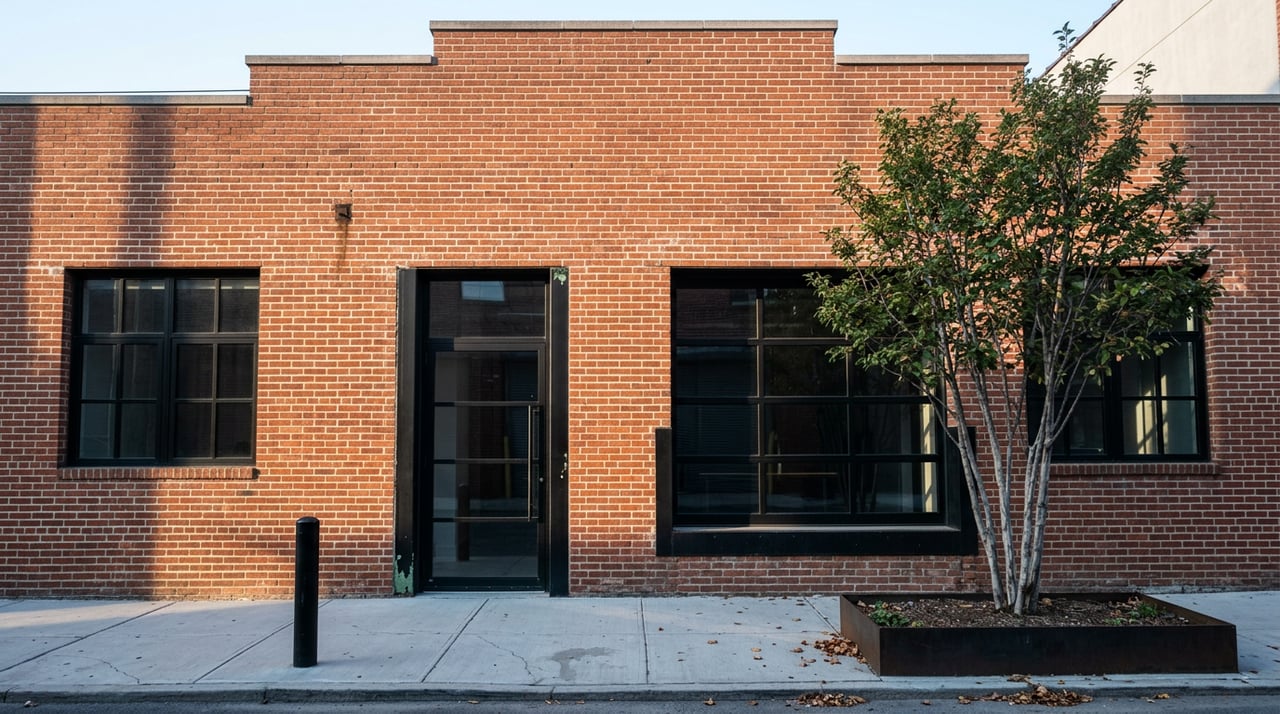
Loft-style homes can also come with unique characteristics, especially in converted industrial or warehouse settings. Features like exposed materials, older construction, or mixed-use surroundings can be appealing, but they can also make due diligence more important.
One of the smartest steps you can take is to read the HOA documents with care. The Colorado Division of Real Estate advises buyers to review the declaration and plat map because they define unit boundaries, common elements, maintenance duties, assessment rules, use restrictions, insurance requirements, and lien authority, as explained in this HOA due diligence advisory.
That is not just paperwork. Those documents help you understand what you actually own, what the association maintains, and where your future costs could come from.
The Colorado Division of Real Estate also notes that HOA policies may cover pets, short-term rentals, home-based businesses, nuisance issues, and record access. Its HOA governing documents overview also highlights reserve studies and funding plans, which are especially important in condo and loft buildings with more shared systems.
A beautiful lobby does not always mean a healthy building. If you notice visible wear, deferred maintenance, or aging common areas, ask deeper questions. The Colorado Division of Real Estate specifically warns that visible decay can signal future special assessments.
You will want to know whether the HOA has a reserve study and whether it is funding the work that study recommends. In a building with elevators, shared roofs, mechanical systems, hallways, parking structures, or amenity spaces, those costs can add up quickly if planning has fallen behind.
Parking is one of the biggest details to verify in RiNo. Because the district supports multimodal living, parking should be treated as a specific unit amenity, not a default assumption.
The RiNo Walk/Bike/Park guide highlights two-way bike lanes on Blake and Larimer, bus service on routes 44, 48, and 12, pedestrian bridges at 35th/36th and 38th Streets, and the A-Line Artstop at 38th and Blake. For some buyers, that makes a car-light lifestyle realistic. For others, reserved parking may still be essential.
Denver’s parking rules have also shifted. The city says that as of August 11, 2025, new buildings and changes to existing buildings no longer have to include minimum car parking spaces under the old zoning framework, according to Denver’s parking modernization page.
RiNo’s energy is part of its appeal, but it can also create surprises if you only visit once. A condo that feels quiet on a weekday morning may feel very different at night or on a weekend.
Denver’s noise program says most residential noise limits are 55 dB(A) from 7 a.m. to 10 p.m. and 50 dB(A) from 10 p.m. to 7 a.m. The city also notes that construction noise that is plainly audible is prohibited at night and on weekends, and enforcement runs through the Denver Noise Program.
That is why it helps to tour the same area more than once. Visit at lunch, after dark, and on a weekend evening if you can. Pay attention to nearby venues, traffic flow, loading activity, train access, and active construction corridors.
If you are drawn to a loft because you want space for a studio, office, or creative business, confirm that the use is actually allowed. In Denver, live/work dwellings are not the same as standard home occupations.
The city explains that in certain mixed-use districts, live/work uses can support activities such as artist studios, galleries, offices, and professional studios, and in some zones, live music. However, the actual use must match the zoning definition, and a live/work permit may require a change of occupancy and building permits, as outlined on Denver’s live/work spaces page.
That means you should verify two things before making an offer: first, that the condo declaration allows your intended use, and second, that the zoning and certificate of occupancy support it.
In RiNo, future development can shape value just as much as current surroundings. Denver’s broader transit-oriented development work around 38th and Blake continues to point to an active planning environment with mobility improvements, overlays, and design standards, as shown on the city’s TOD system map and station planning page.
That can be a positive for long-term livability, but it can also affect views, light, traffic, parking pressure, and construction timelines. Denver’s planning materials specifically call out potential impacts such as congestion, bike and pedestrian conflicts, and noise intensity, while also focusing on transitions, pedestrian experience, and access improvements.
Nearby public projects matter too. The National Western Center is planned to grow significantly, with multimodal pathways, riverfront open space, and added connections. Brighton Boulevard improvements and the Denargo Market area also reinforce that this part of Denver is still evolving.
Before you write an offer, keep this checklist handy:
The best RiNo condo or loft purchase is not always the flashiest one. It is the one that matches how you want to live, what costs you are comfortable with, and how much change around you feels exciting versus disruptive.
If you take the time to review HOA health, parking, noise, zoning, and future development, you can make a more confident decision and avoid surprises after closing. In a fast-changing district like RiNo, informed buyers usually make stronger long-term choices.
If you want a thoughtful, data-informed approach to buying in Denver, Mariel Ross can help you evaluate the details that matter and navigate your next move with confidence.
Stay up to date on the latest real estate trends.

Whether you’re buying or selling, I’m here to guide you through every step of the process. With personalized service and a deep understanding of the market, I’ll ensure your real estate experience is successful.