The Pinery vs Nearby Communities in Douglas County
May 14, 2026
May 14, 2026
Wondering whether The Pinery gives you the right mix of privacy, trees, and day-to-day convenience? If you are comparing it with places like Pradera or The Village at Castle Pines, it helps to look past price points and focus on how each community actually lives. This guide will help you sort through setting, amenities, HOA structure, and lifestyle fit so you can decide which option lines up best with the way you want to live. Let’s dive in.
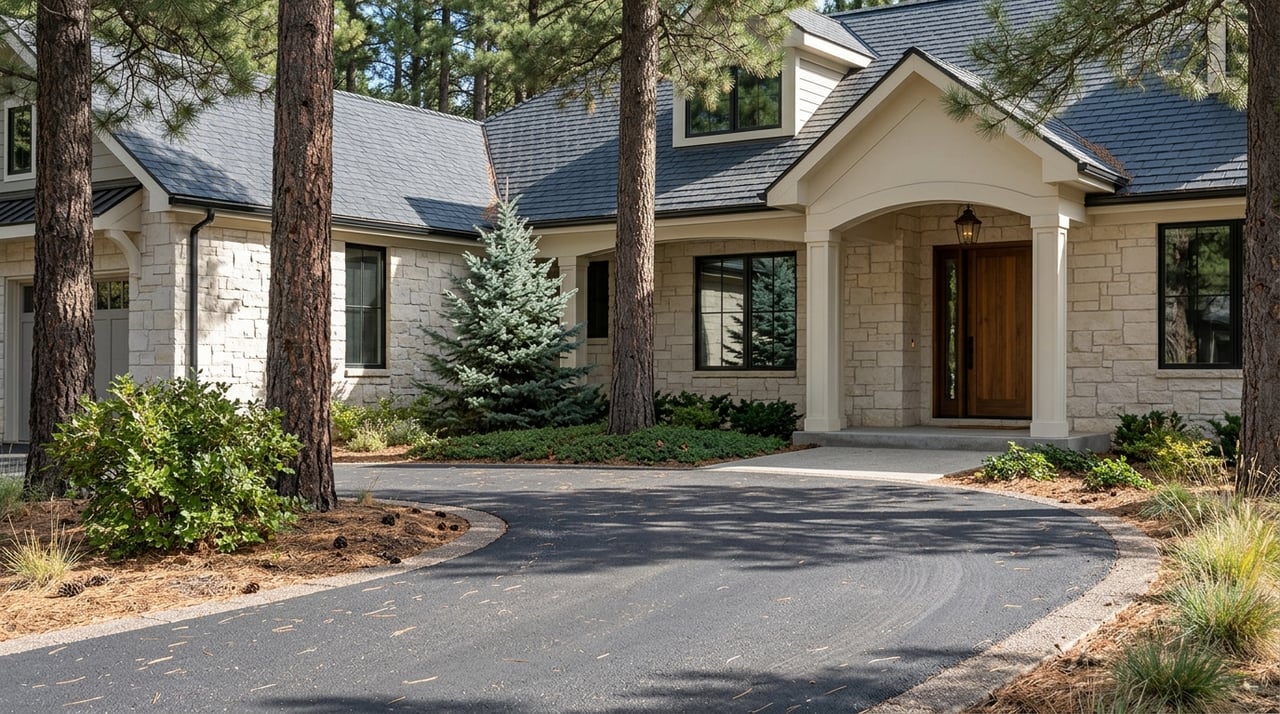
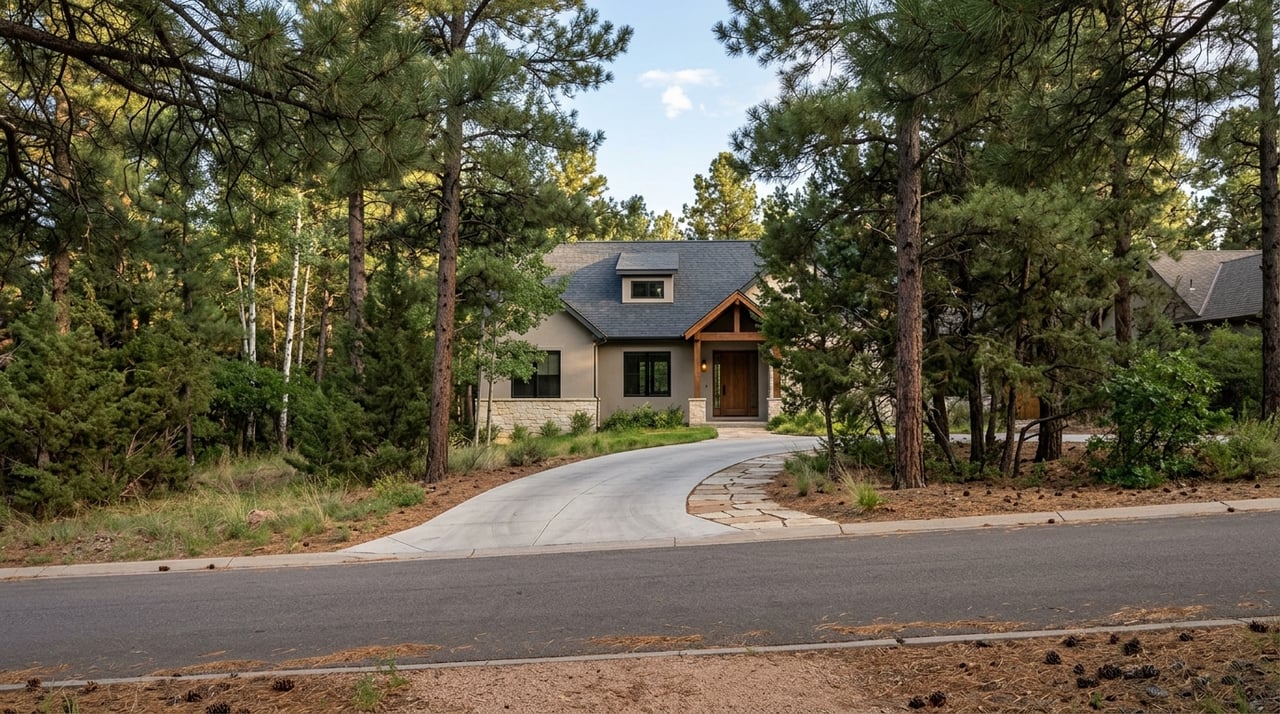
The Pinery is an established unincorporated Douglas County community with a Parker mailing address and about 1,800 homes. It is known for mature trees, rolling terrain, and a more private feel than many newer communities. Most homes sit on roughly one-third to one-half acre lots, with some areas offering larger homesites.
If you are drawn to a neighborhood that feels wooded and established rather than newly built and highly programmed, The Pinery stands out. The community identity is closely tied to its ponderosa pines, natural topography, and homes that often feel tucked into the landscape. Some of the larger trees in the area are estimated to be around 170 to 180 years old.
The Pinery tends to feel more self-directed than master-planned. Instead of centering daily life around a large club or gated entry, it leans into open space, parks, trails, and a quieter residential rhythm. That difference matters if you want your neighborhood to feel relaxed and less managed.
The HOA describes the community as privacy-oriented, and that tracks with its lot sizes and tree cover. Many homes feel set back from the street, and the mature landscaping can create a sense of separation that is harder to find in newer neighborhoods. For many buyers, that privacy is a major draw.
Another key point is location identity. The Pinery is not part of the Town of Parker, even though it has a Parker address, and it sits in unincorporated Douglas County south of Parker Road and Highway 83. In practical terms, Parker often feels like the closest everyday hub.
The Pinery offers amenities, but they are more community-based than club-centered. Douglas County manages the Bingham Lake area, which includes a 1-mile loop trail, fishing, and a picnic shelter. The HOA also maintains North Park, Lakeshore Park, and the Pinery Nature Park.
That gives the neighborhood a park-and-trail personality instead of a resort-style one. If you picture weekends spent walking, fishing, or enjoying open space, that may feel like a strong match. If you want a neighborhood built around pools, fitness centers, and organized club activities, you may prefer one of the nearby alternatives.
The HOA itself is relatively light-touch and resident-run. Membership is required, annual dues are $33, and elected volunteer residents serve on the board and committees. The association focuses on core community functions like the entryway, parks, events, the newsletter, the architectural review office, and the RV storage lot.
Pradera and The Pinery appeal to different kinds of buyers, even though both sit in the same broader south-metro Douglas County orbit. Pradera is newer, more amenity-driven, and more closely tied to a luxury master-planned identity. The Pinery is older, more wooded, and more understated.
Pradera offers new luxury homes, including Heritage Series homes on roughly 0.6- to 1.3-acre homesites and custom homesites from 3.75 to 5+ acres. New homes there are offered exclusively by Celebrity Custom Homes. If your top priority is newer construction, larger custom homesites, or a more polished master-plan feel, Pradera may have an edge.
Its amenity package is also much more expansive. Public community information highlights a community center, competition-size pool, spray play area, playground, sports courts, sports fields, and an extensive trail system. The club component adds golf, tennis, fitness, dining, lounges, and year-round social programming.
By contrast, The Pinery feels less curated and less club-oriented. That can be a plus if you do not want to pay for or organize your life around a large amenity package. It can also be a tradeoff if you want the convenience of having many recreational features built directly into the neighborhood lifestyle.
| Feature | The Pinery | Pradera |
|---|---|---|
| Overall feel | Established, wooded, private | Newer, open, master-planned |
| Typical setting | Mature trees and rolling terrain | Wide-open vistas and larger new-home sites |
| Amenities | Parks, trails, Bingham Lake, RV storage | Golf club, pool, community center, sports fields, trails |
| HOA style | Resident-run, light-touch | More centralized, management-driven |
| Best fit for | Buyers wanting trees and an established feel | Buyers wanting newer homes and amenity-rich living |
The Village at Castle Pines is the most structured and amenity-rich option in this comparison. It is a gated, wooded community in unincorporated Douglas County with about 1,900 homes across 2,800 acres. The community also states that it includes around 235,000 trees.
Like The Pinery, it offers a wooded setting. But the lifestyle is very different. The Village at Castle Pines pairs that natural setting with five staffed gates, full-time emergency services, a layered association structure, and more extensive recreational offerings.
Amenities there include two recreation complexes, a fitness center, trails, parks, playgrounds, tennis, pickleball, and gathering spaces, along with proximity to two private golf clubs. Monthly dues also cover services such as emergency services, trash collection, and amenity upkeep, with dues varying by home type.
The Pinery, on the other hand, is much less institutional in feel. It gives you trees and privacy without the same level of gate control, built-in services, or amenity density. If you want a wooded setting but do not need a gated environment and broad service structure, The Pinery may feel more natural and less formal.
| Feature | The Pinery | The Village at Castle Pines |
|---|---|---|
| Access | Open community | Gated with staffed gates |
| Overall feel | Established and self-directed | Private, structured, amenity-rich |
| Trees and setting | Mature wooded enclave | Wooded master-planned setting |
| Amenities | Parks, trails, lake access, RV storage | Recreation complexes, fitness, trails, tennis, pickleball |
| HOA and services | Resident-run, low annual dues | Layered association structure with monthly dues |
The Pinery tends to make the most sense for buyers who want a home that feels settled into the land. You may prefer it if mature trees, more separation between homes, and a less programmed neighborhood experience matter more to you than club amenities or new construction.
It can also be a strong fit if you like character and variety. Because it is an established community with a long development history, homes can vary more in age, style, updates, and lot layout than they would in a newer master-planned neighborhood. That variety can create opportunity, but it also means you need to compare homes carefully.
For some buyers, the lower recurring HOA overhead is another plus. Annual dues of $33 are a very different proposition from communities with larger monthly dues and broader service packages. That does not automatically make one better than another, but it does change the cost structure and expectations.
Every community has tradeoffs, and The Pinery is no exception. The same mature trees and established housing stock that attract buyers can also mean more maintenance, more variation in home condition, and more need for due diligence. If you want fully modern systems and a newer-home warranty experience, a newer community may feel easier.
Tree care and fire mitigation are especially important here. The Pinery carries Firewise USA status and supports residents with chipper days and defensible-space guidance. That is a meaningful advantage, but it also reflects a practical reality of living in a heavily wooded setting.
Renovation variability is another factor. In an established neighborhood, one home may be beautifully updated while another may still reflect an earlier era of construction and design. If you are shopping in The Pinery, it helps to evaluate updates, systems, and long-term maintenance with care.
If you are trying to decide between these communities, start with lifestyle before you focus on finishes. Ask yourself whether you want trees or newness, privacy or programming, and a lighter HOA structure or a more service-heavy environment. Those answers usually narrow the field quickly.
The Pinery is likely your best match if you want:
Pradera may be the better fit if you want:
The Village at Castle Pines may be the better fit if you want:
The Pinery is not trying to be the newest or most amenity-packed community in Douglas County. Its appeal is more personal than that. It offers mature trees, a quieter pace, privacy, and an established setting that many buyers find hard to replicate in newer neighborhoods.
If that sounds like your style, The Pinery may be exactly the right fit. And if you are weighing it against Pradera or The Village at Castle Pines, the smartest move is to compare the real day-to-day lifestyle of each community, not just the home specs. If you want help sorting through the options, planning a relocation, or comparing resale versus newer construction, start your next move with Mariel Ross.
Stay up to date on the latest real estate trends.

Whether you’re buying or selling, I’m here to guide you through every step of the process. With personalized service and a deep understanding of the market, I’ll ensure your real estate experience is successful.