
Closing Costs for Denver Buyers in Lone Tree Explained
January 1, 2026
January 1, 2026
Are you trying to budget for your closing and wondering what those line items actually cover? You are not alone. Closing costs can feel confusing, especially when you are buying or selling in a market with HOAs and different local customs. In this guide, you will see what is typically included, who usually pays what in Lone Tree, and how credits and buydowns work with your loan. Let’s dive in.
Closing costs are the one-time fees and prepayments due at settlement. They cover lender services, title and escrow work, inspections, and prepaid items like taxes and insurance. In Lone Tree and Douglas County, most deals follow common Colorado practices, but every item is negotiable in your contract.
If you finance your purchase, expect lender-related charges. These often include a loan origination or underwriting fee, which is commonly 0.5% to 1% of the loan amount. You may choose to pay discount points to lower your rate. You will also see an appraisal fee, typically 450 to 900 dollars, plus smaller items like a credit report or flood certification.
You will prepay daily interest from the closing date to your first payment. If your loan requires an escrow account, you will fund initial reserves for property taxes and homeowner’s insurance. Some loans include up-front mortgage insurance charges, such as FHA’s upfront mortgage insurance premium or the VA funding fee.
Title work confirms clear ownership and insures against covered title defects. You will see charges for a title search and examination. There are premiums for an owner’s title insurance policy and a lender’s policy. The settlement or escrow fee covers the closing, document preparation, and final accounting. Recording and county clerk fees, notary, courier, and wiring fees also appear. These are generally modest line items, and the exact allocation between buyer and seller is negotiable.
Most buyers order inspections. A standard home inspection usually runs 300 to 700 dollars. Specialty inspections vary and can include sewer scope, radon, roof, pest, or septic where applicable. These are typically buyer-paid and due as you go.
Prepaids are not fees for services. They are up-front amounts that set you up for ongoing costs. These can include your first year of homeowner’s insurance and initial tax escrows. Property taxes and HOA dues are usually prorated between buyer and seller based on the closing date. Utility prorations can also appear.
The largest seller expense is the real estate commission, which is typically 5% to 6% of the sale price. Sellers also pay off any existing mortgages or liens. In many Colorado markets, it is customary for the seller to pay for the owner’s title insurance policy, though this is negotiable. Sellers may also agree to credits for buyer closing costs or repairs.
Douglas County charges recording fees that are generally small and based on the document type and length, often between 10 and 100 dollars per instrument. Colorado does not have a statewide real estate transfer tax. Some municipalities or special districts may have document or administrative fees, so it is smart to verify with local authorities.
Buyers who finance usually spend about 2% to 5% of the purchase price on closing costs and prepaids, separate from the down payment. The range depends on your loan type, whether you pay points, and your escrow setup. Cash buyers still have closing costs, but there are fewer lender-related items.
For sellers, the commission is typically the largest cost. Beyond that, plan for title, escrow, and prorations that commonly add 1% to 3% of the sale price, not including any mortgage payoff. Repair costs and concessions are contract-specific and can change the total.
As an example, on a 600,000 dollar financed purchase, a buyer might see around 2.5% in closing costs, or roughly 15,000 dollars. A seller at the same price might see a 5.5% commission plus about 1% in other costs, or around 39,000 dollars total before paying off any mortgage. Your numbers will vary based on your loan program, price, and negotiated terms.
Every contract is negotiable, but these allocations are common in Lone Tree.
Seller credits and interest-rate buydowns can help you manage cash flow, but they must fit your loan rules.
Allowable seller contributions depend on the loan program and down payment. On many conventional loans, caps are lower with down payments under 10 percent, higher with 10 to 25 percent, and highest above 25 percent. FHA typically allows up to 6 percent. VA typically allows up to 4 percent for concessions, with some items treated separately. USDA often allows up to 6 percent. Lenders can add their own limits, so always confirm with your lender.
The appraisal sets market value. A credit or buydown does not raise the appraised value. For temporary buydowns, such as a 2-1 buydown, lenders usually qualify you at the note rate or a higher qualifying rate. For permanent buydowns, paid points reduce the note rate, but the credit still must fit concession limits.
If a seller credit exceeds the program cap, it can create underwriting issues. Keep credits within program limits to avoid delays.
All credits and buydowns must be written into the purchase contract and shown on your Closing Disclosure. Lenders need to verify the source of funds for any seller-paid credit. For temporary buydowns, funds are usually escrowed and released to cover the reduced payments on a set schedule.
Most Lone Tree transactions follow a predictable path. After your offer is accepted, you open escrow and apply for your loan. Within three business days of the loan application, your lender issues a Loan Estimate. The inspection period commonly runs 7 to 14 days, and the appraisal is usually scheduled within that window.
Your lender must deliver your Closing Disclosure at least three business days before closing. On closing day, funds are wired and the deed and mortgage are recorded with the Douglas County Clerk and Recorder.
A quick security reminder: wire fraud is a real risk. Never rely only on emailed wiring instructions. Always call the title company using a trusted number to confirm instructions before you send any funds.
To help you plan, here are typical ranges seen in the Lone Tree area. Your actual numbers will vary by property and provider.
Closing costs are manageable when you understand the categories, local customs, and lender rules. In Lone Tree and across Douglas County, you can negotiate many items in your contract and structure credits or buydowns that fit your loan. The key is to confirm allocations early, watch your program caps, and keep your timeline tight.
If you want a clean, personalized estimate and a plan to optimize your net, reach out to Mariel Ross. You will get local, data-forward guidance and a concierge process that keeps you two steps ahead.
Stay up to date on the latest real estate trends.


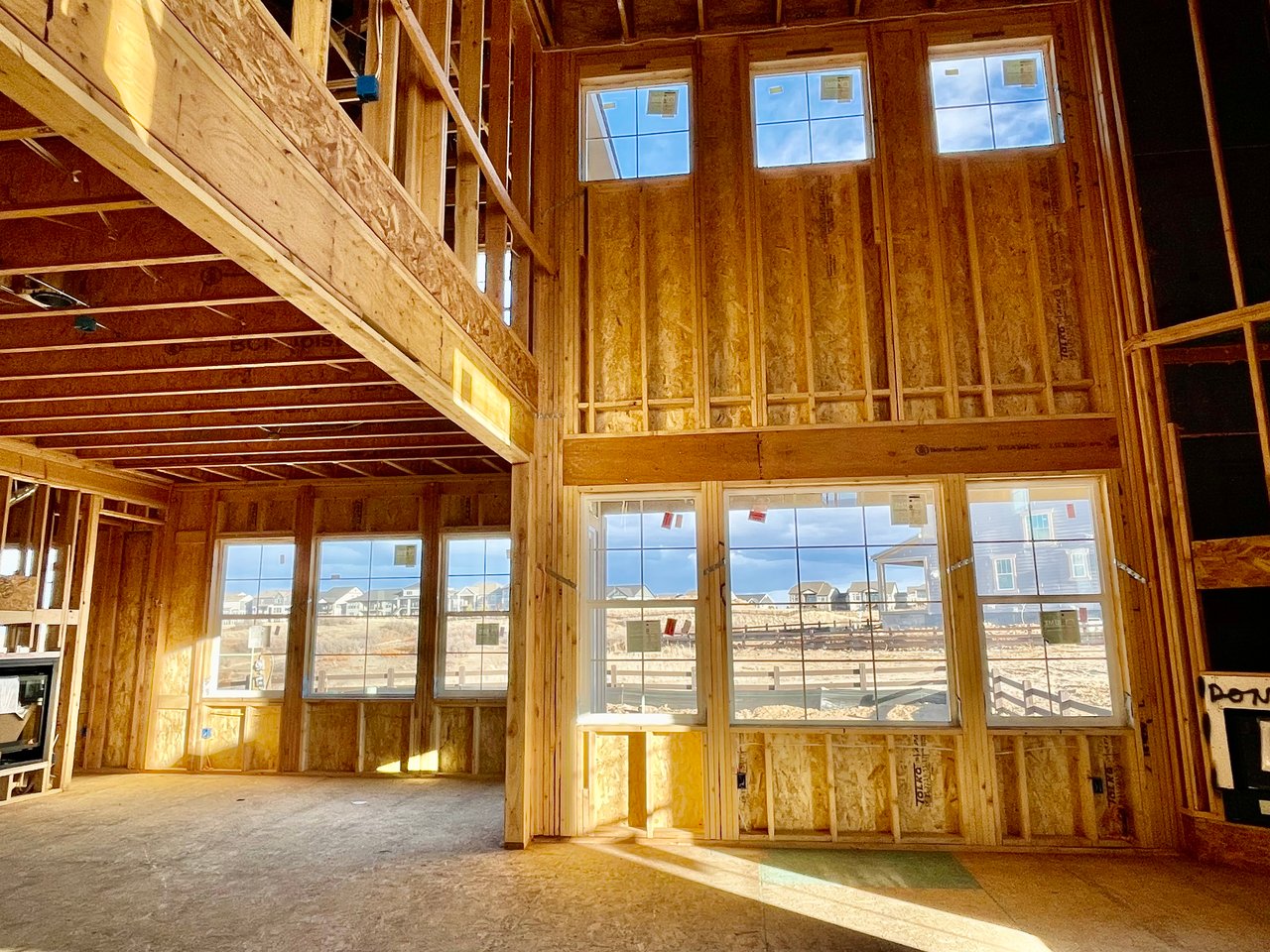
New Construction
Builder Contract Red Flags, Expert Tips, and the Best Communities

Whether you’re buying or selling, I’m here to guide you through every step of the process. With personalized service and a deep understanding of the market, I’ll ensure your real estate experience is successful.