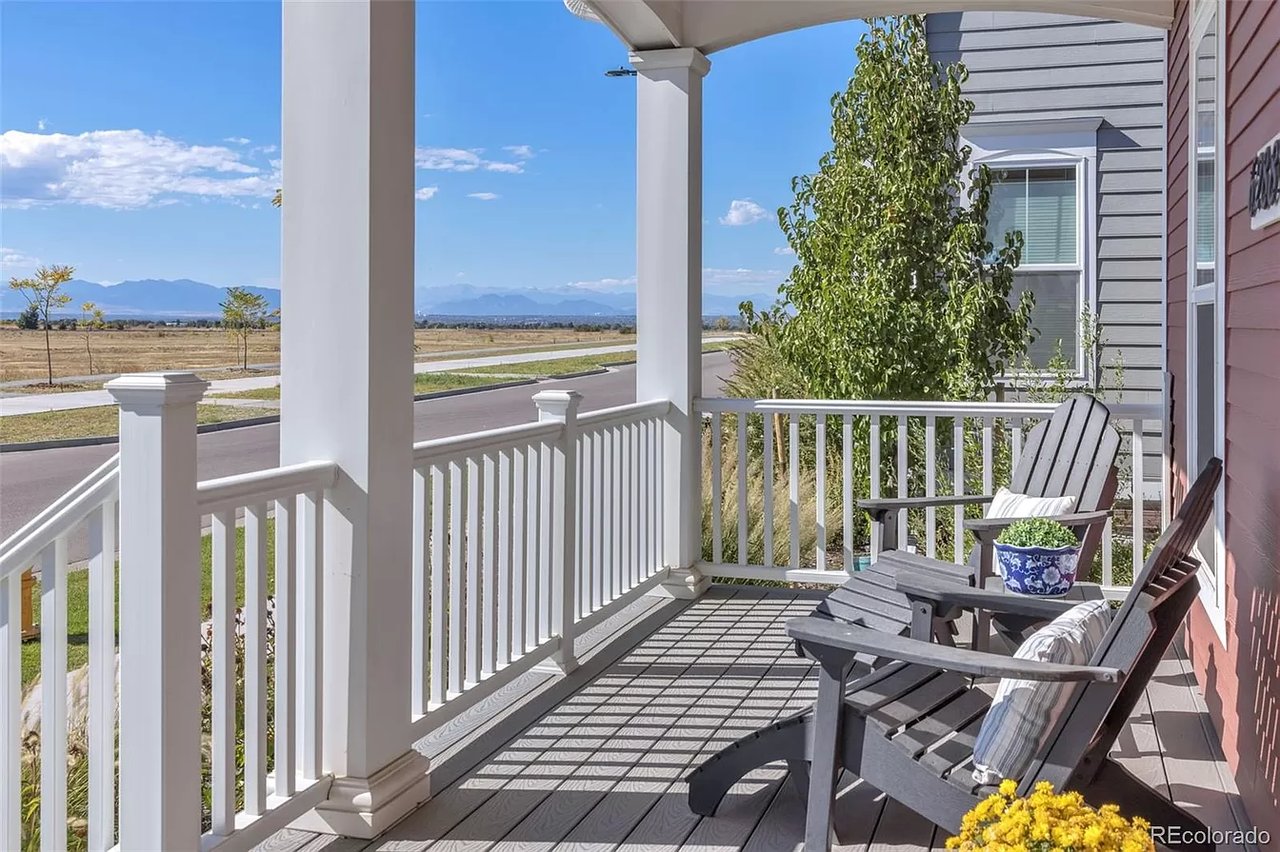
Central Park Denver Neighborhood Guide: Life in the Neighborhood
Resale Homes Mariel Ross February 4, 2026
Resale Homes Mariel Ross February 4, 2026
Picture tree-lined streets, pocket parks around every corner, and weekends that revolve around trails, coffee, and community events. That is daily life in Central Park, Denver. If you want newer homes, strong access to parks, and an easy hop to the Anschutz Medical Campus, this neighborhood deserves a close look. In this guide, you will learn how Central Park is laid out, what homes look like, how people get around, and the trade-offs to weigh so you can decide if it fits your goals. Let’s dive in.
Central Park is a large, master-planned neighborhood built on the former Stapleton International Airport site. Over two decades, it transformed into a mixed-use community with homes, schools, parks, and retail woven together. The community formally retired the Stapleton name during the 2020s through a city and neighborhood process to reflect a more inclusive identity.
You feel a suburban-meets-urban blend here. Blocks are walkable. Trails and greenways connect you to parks and retail nodes. Weekends often include farmers markets, outdoor concerts, and family-friendly events. Many residents work in health care or nearby employment centers and value the neighborhood’s balance of parks, retail and amenities.
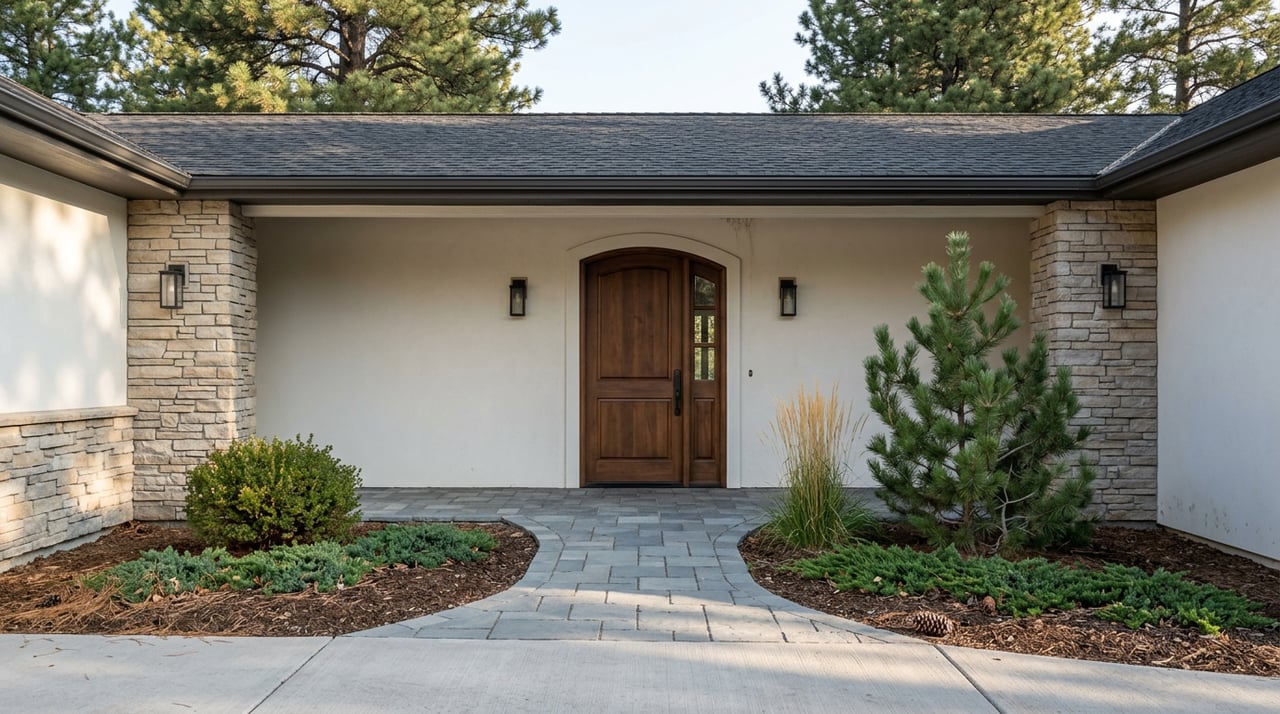
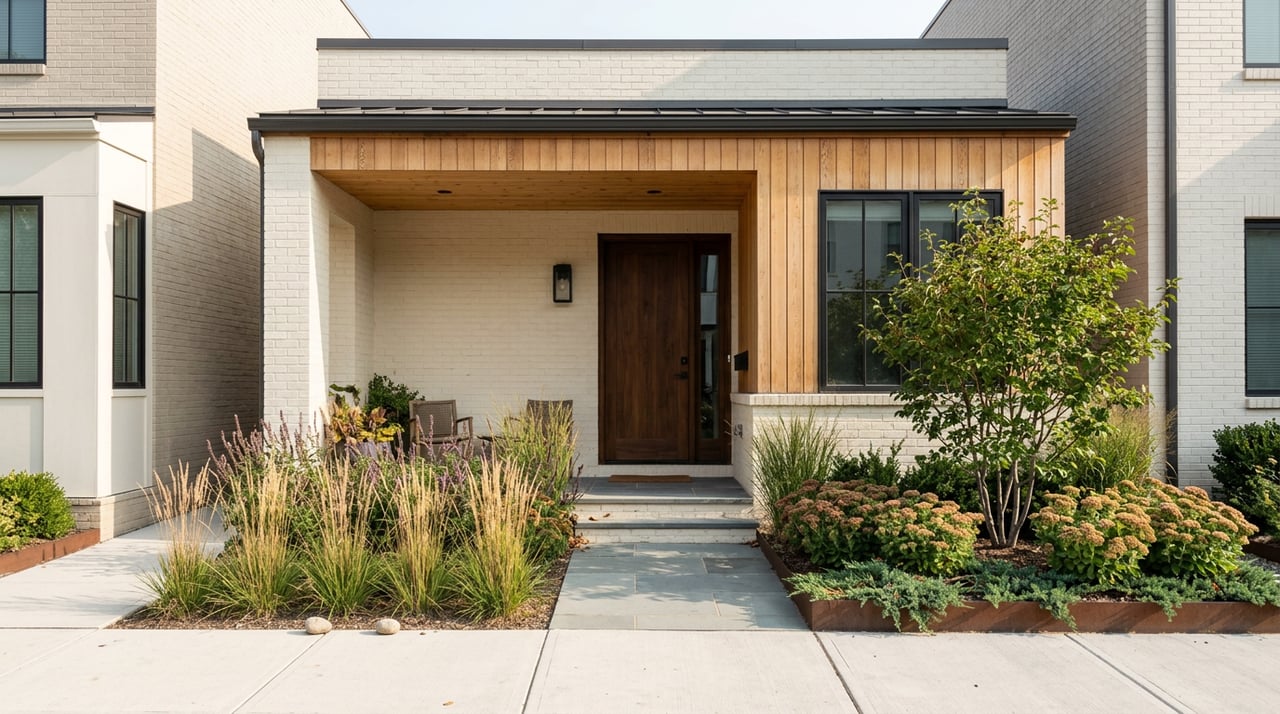
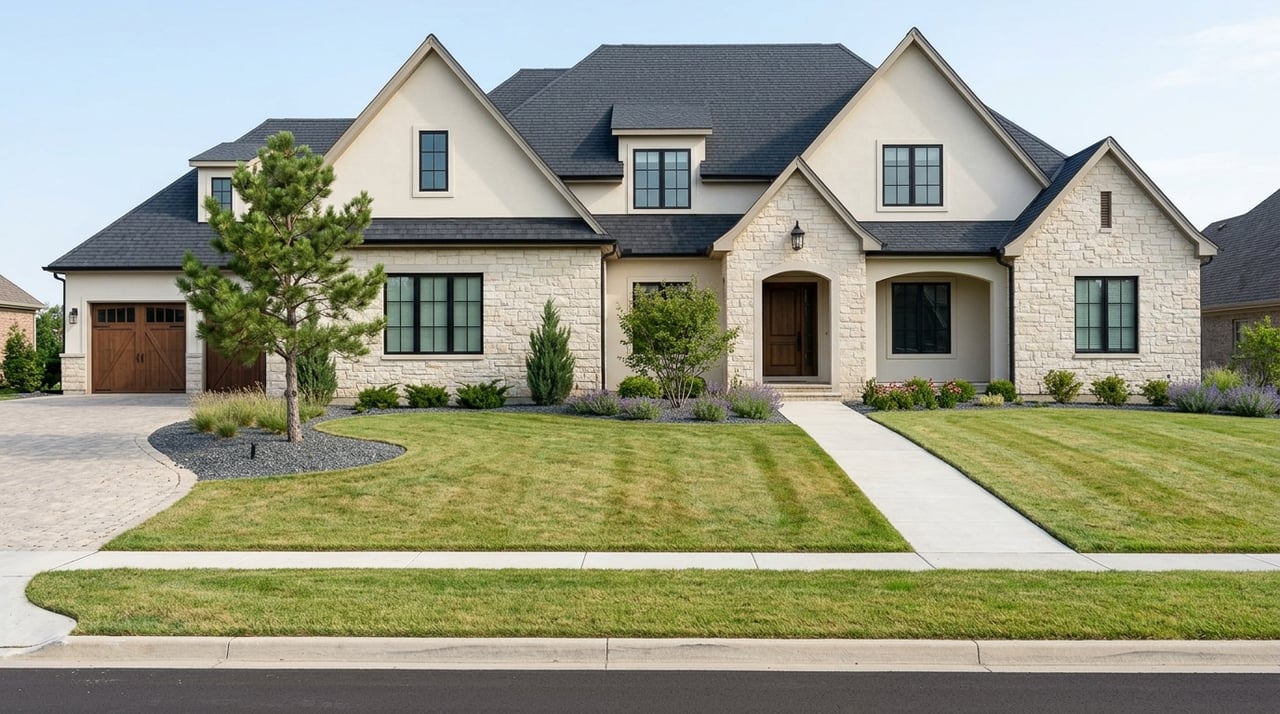
You will find a full range of home options, most built from the early 2000s through 2025. Designs lean contemporary and Neo-traditional, with energy-efficient materials common for the era.
As for price, Central Park has historically hovered near or above the Denver metro median for single-family homes, with wide variation by age, size, and location. In 2025, the median sold home price was $790,000 and these homes were typically a singly family or paired home with 3-5 bedrooms and about 2500 finished square feet. But don't feel limited by this price point! Since Central Park has a wide variety of home types, we also saw income qualified condos as low as $164,000 and grand semi-custom homes up to $2,000,000. Whatever home type you are looking for, Central Park likely has it.
Daily routines center on easy access to parks, restaurants, and services. You can walk or bike on greenways to grocery stores, coffee spots, and fitness studios. Smaller commercial nodes offer everyday essentials, while larger hubs serve as social anchors. Community programming runs year-round, so you can usually find a market, movie night, outdoor concert or event close by.
If you enjoy an active lifestyle, you will appreciate the trail network and bike connections. Dog owners use the neighborhood green spaces and designated dog parks. Residents often pick homes based on proximity to a favorite park, playground, or community garden.
Central Park was designed around a system of open spaces. You will find large parks, playgrounds, and linear greenways that link residential streets to gathering spots. These are well-used for morning runs, stroller walks, and weekend meetups. Many sub-communities include maintained pocket parks and, in some cases, pools or splash features.
Highlights residents love:
One of the biggest lifestyle anchors near Central Park is Stanley Marketplace, a former aviation and industrial building reimagined as a multi-vendor destination. Inside, you can explore independent restaurants, cafes, bars, fitness studios, shops, and co-working spaces, plus rotating events. It functions as a social hub for meals, meetups, and weekend browsing.
Beyond Stanley, smaller main street-style corridors and shopping centers offer grocery stores, services, and neighborhood retail. You get both convenience and a community feel without having to leave the area for most daily needs.
Central Park provides a range of commute options:
Many residents work at the University of Colorado Anschutz Medical Campus. For those employees and students, commutes by car or bike are typically convenient from Central Park. Public transit may also work depending on your exact start and end points and the schedule that day.
Central Park is served by Denver Public Schools and includes a mix of traditional public and charter options. Several schools were built or expanded alongside neighborhood growth. Central Park uses a very unique enrollment zone process for school choice - this means you are guaranteed a neighborhood school, but it may not be the one next to your home. Be sure to ask your neighborhood specialist about this process and application deadlines. If specialized programs matter to you, such as language immersion or STEM, verify availability and admissions steps directly with the school or district.
Like many planned communities, Central Park includes sub-communities and associations with different amenity levels and fee structures. Budget for HOA or condo association dues, which may cover pocket parks, landscaping, community activities, pools, etc. depending on the property type. Ask for the most recent HOA documents during your home search so you can evaluate services, rules, and any upcoming assessments. The Central Park master HOA is $58/mo (as of 2026) and sub-associations vary widely. Most single family homes in Central Park do not have a sub-HOA unless they are located on a shared courtyard that requires shared maintenance costs.
Trade-offs to consider:
If you are weighing Central Park against other neighborhoods, start with your top priorities.
For buyers:
For sellers:
Central Park tends to work well if you want a newer home with strong access to parks and a social, event-driven neighborhood rhythm. It fits many dual-income households and medical professionals who value an efficient commute to the Anschutz Medical Campus.
It may be less ideal if you prioritize immediate downtown walkability or historic architecture. If that sounds like you, it can still be a great choice if the trail network, newer systems, and community amenities outweigh those preferences.
Quick self-checklist:
Buying or selling in Central Park is easier with a local, data-minded partner. I pair neighborhood insight with builder expertise and a concierge approach to listing prep and buyer tours. Whether you want a curated look at sub-communities, guidance on HOA differences, or a plan to compete with upcoming listings, you will have a clear path from first tour to closing.
If you are ready to explore Central Park or compare it with Lowry, Park Hill, or other metro options, let’s talk about your timeline and must-haves. Start your next move with Mariel Ross.
Stay up to date on the latest real estate trends.
Whether you’re buying or selling, I’m here to guide you through every step of the process. With personalized service and a deep understanding of the market, I’ll ensure your real estate experience is successful.