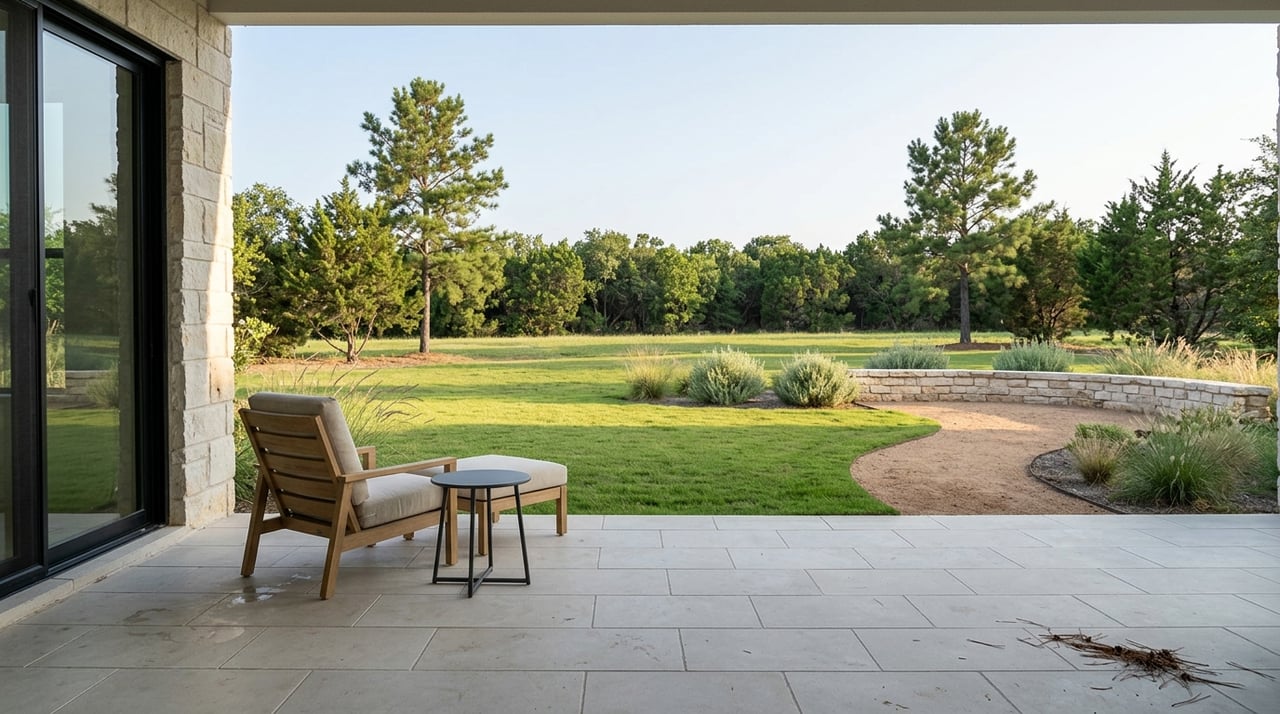
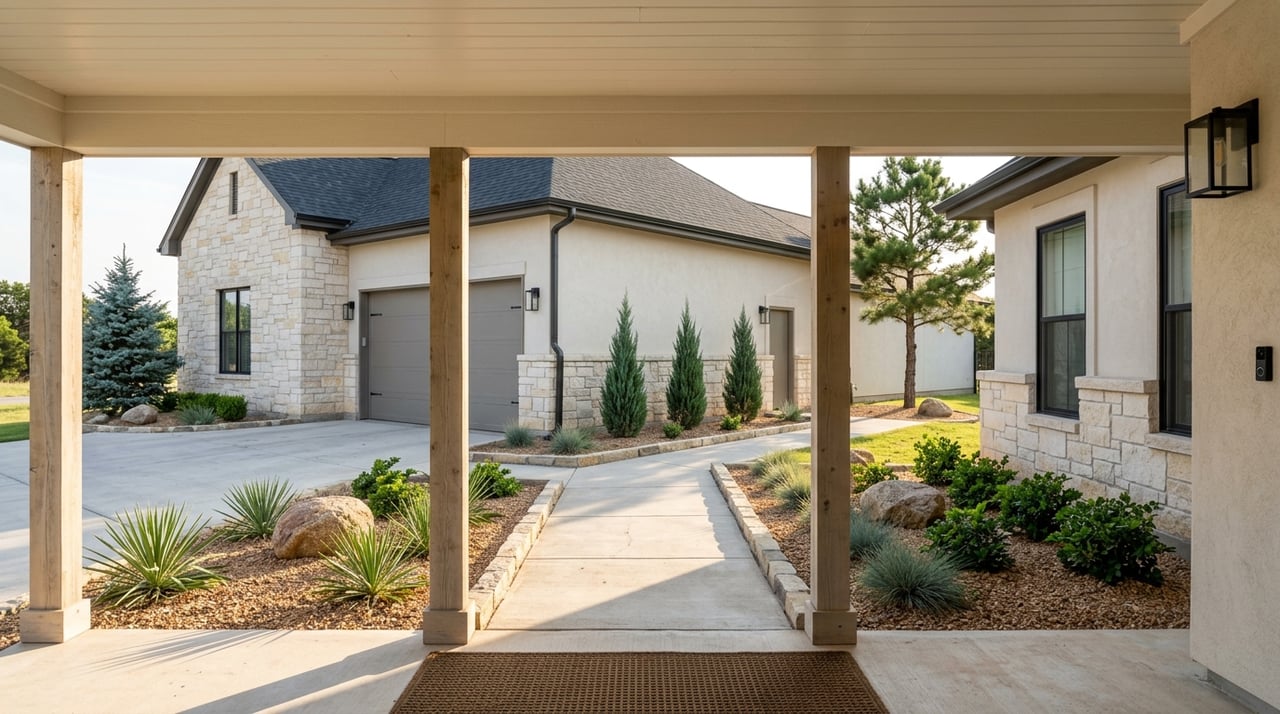
Is the perfect Castle Pines lot about views, sunshine, or a flat driveway? You want a homesite that fits your lifestyle today and protects your investment for years. In this guide, you’ll learn how orientation, slope, drainage, trail proximity, and views work together so you can choose confidently at your builder appointment. Let’s dive in.
Neighborhood terrain and rules
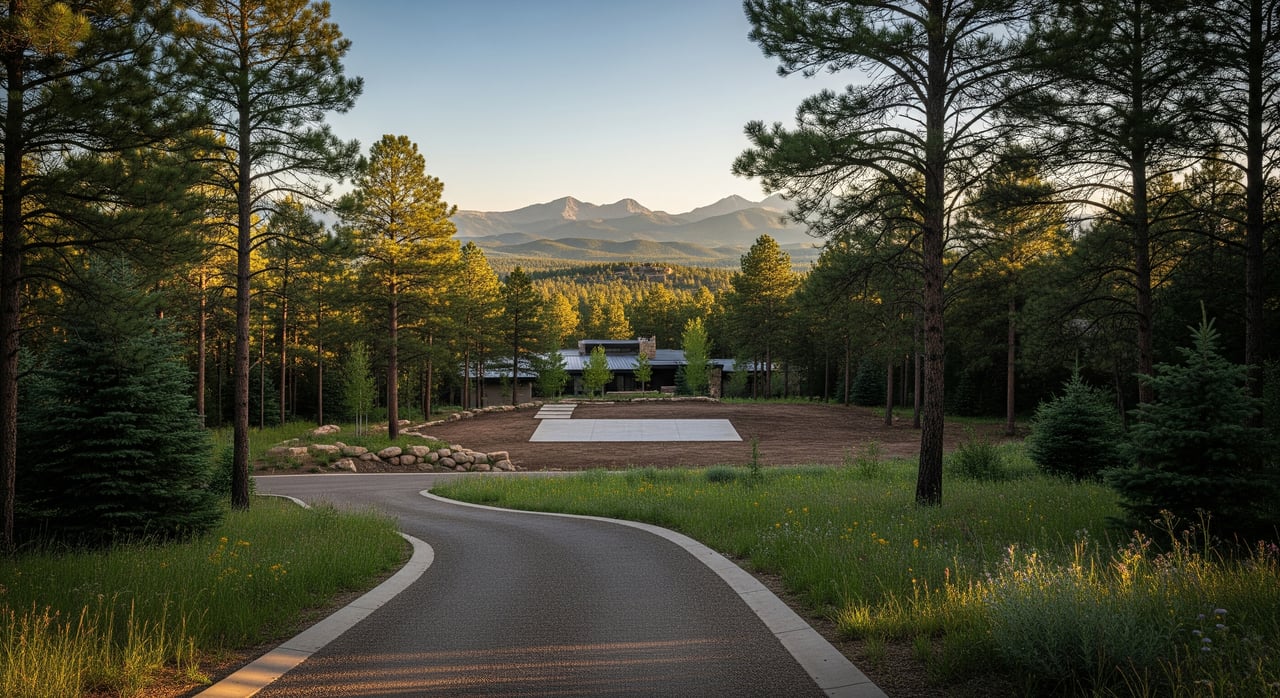
Castle Pines Village sits in rolling hills with slopes, rock outcrops, and mature trees. Many lots touch open space or trail corridors, which adds beauty and a few extra steps in planning. Before you commit to a lot, confirm what is allowed and required by the HOA or Property Owners’ Association, County or the City (as applicable), local fire authorities, and utility providers.
- Ask the HOA or Architectural Review Board for covenants, design guidelines, setbacks, exterior material standards, fence rules, and any trail or landscape limits.
- Check with planning and building for grading, stormwater, driveway standards, and permits.
- Confirm wildfire mitigation expectations and defensible space with the local fire district.
- Verify service availability and easements with electric, gas, water, and sewer providers.
Lot orientation and sun
Orientation shapes comfort, energy use, and outdoor living.
- South-facing living spaces capture winter sun and create bright, efficient interiors.
- West-facing areas heat up in late afternoon. Plan for shades, overhangs, or trees to keep spaces comfortable.
- North-facing yards and facades stay cooler and shadier. Snow can linger longer, which is helpful for summer comfort but may affect winter maintenance.
- Ask your builder for simple shadow studies at winter and summer solstices. Check how planned neighboring homes and mature trees will impact light.
During lot walks, look at views while seated, not just standing. This helps you gauge what you’ll enjoy daily from the sofa or dining table.
Walkout vs garden-level basements
A sloped lot can unlock great lower-level living, but the type of basement matters.
Walkout benefits
- Larger windows, better daylight, and direct access to a patio or yard.
- Often improved views from lower-level rooms.
- Potentially stronger resale appeal compared with a fully below-grade basement.
Costs and design tradeoffs
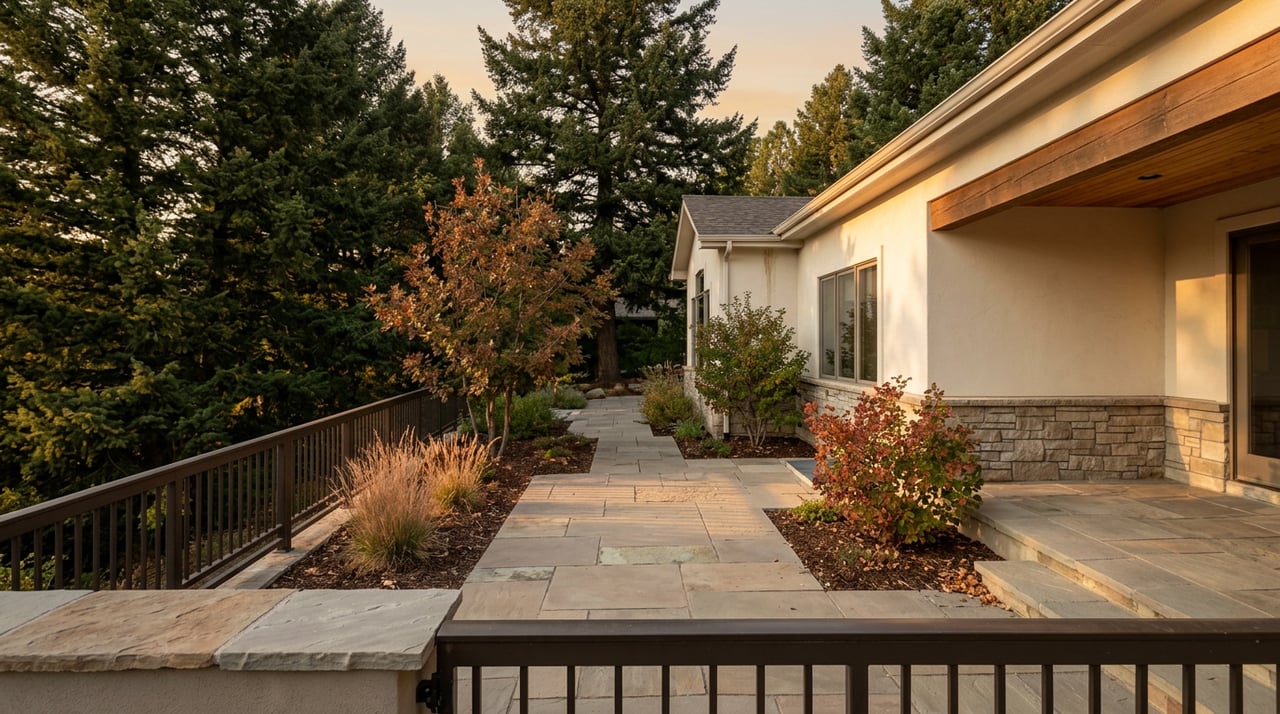
- Walkouts often need more complex foundations, retaining walls, and drainage solutions.
- Finished floor elevations and grading impact privacy, yard usability, and landscaping.
- Sloped driveways may require more winter management.
What to confirm with the builder
- Finished floor elevations for each level and the finished grade at patios and entries.
- Foundation waterproofing, footing drains, sump systems, and warranties.
- Retaining wall locations, materials, heights, and who pays for them.
- Expected cut and fill, and whether the lot needs soil import or export.
Slope, drainage, and erosion
Gravity rules on hillside lots. Good drainage protects your home and the neighborhood.
- Request an engineered grading and drainage plan early and confirm permanent features will be inspected and maintained as required.
- Verify where surface water flows during storms. Look for swales, low spots, or drainage easements.
- Confirm downspout outfalls, foundation drains, and any retaining wall drainage. Know where water will exit the site.
- Ask for a geotechnical report review so you understand soil conditions, frost depth, and whether special foundations are needed.
Watch for red flags during a lot walk: standing water after rain, visible erosion, channels that direct water toward neighbors, or no defined outfall for roof runoff.
Trails, open space, and privacy
Living near a trail or open space is a lifestyle win, with quick access to walking, biking, and nature. It also brings planning considerations.
- Confirm the setback from the trail and any recorded easements across the lot.
- Review HOA rules on fencing, gates, screening, and buffer landscaping along trail edges.
- Ask who maintains any buffer strips and whether there are limits on vegetation or hardscape near trails.
- Check if the trail is paved or natural, whether it is lit, hours of use, and winter maintenance.
For privacy and security, plan screened plantings or low walls that comply with HOA rules, and consider door and window placement for walkout levels that open toward public paths.
Views and view premiums
Long-range mountain or valley views are prized in Colorado. Premiums vary and depend on quality, protection, and orientation.
- Verify whether views are over permanent open space or could be affected by future construction.
- Ask for maps that show building envelopes on surrounding lots and any protected view corridors.
- Evaluate views from primary living areas and outdoor spaces, and check in different seasons when foliage changes.
Utilities, access, and driveways
Hilly neighborhoods add a few practical checks.
- Driveway slope and street approach affect daily access and winter safety. Explore alignments that reduce slope, and ask about surface options or snow-melt systems.
- Garage orientation impacts curb appeal and snow storage. Confirm where snow will be plowed and piled.
- Locate utility boxes, meters, transformers, and all recorded utility easements early so you can plan screening and avoid conflicts.
- On steeper lots, ask how construction staging and crane access will be handled.
Due diligence and local resources
Protect your build by lining up documents and expert input.
- Order or review a geotechnical report for the lot.
- Request the builder’s grading plan, erosion control measures, and confirm who maintains permanent drainage features.
- Review recorded plats, covenants, and easements carefully, including drainage and trail easements.
- Ask for an as-built survey after grading and before landscaping to confirm elevations and utility locations.
- Consult planning and building departments for hillside requirements and permits.
- Discuss wildfire mitigation and defensible space with the local fire district and follow Colorado State Forest Service guidance.
- Plan drought-tolerant landscaping, drip irrigation, and snow storage.
Helpful agencies and references to contact by name (in Castle Pines):
- Douglas County Community Development and Building Division
- City of Castle Pines planning (if inside city limits)
- Castle Pines Village HOA or Property Owners’ Association
- Colorado State Forest Service for wildfire and defensible space guidance
- U.S. Department of Energy for home orientation and passive solar basics
- Local electric, gas, water, and sewer providers; local fire district
Printable lot-walk checklist
Bring this list to your builder appointment and walk the lot with it.
Pre-visit documents to request:
- Recorded plat with lot lines and easements
- HOA or POA covenants, conditions, restrictions, and design guidelines
- Proposed site grading and drainage plan
- Preliminary building envelope and foundation plan
- Utilities map for water, sewer, gas, electric, and telecom
- Tree and vegetation protection plan
On-lot checklist:
- Lot identification
- Lot address or plat number
- Builder and plan name
- Orientation and sun/shade
- Note compass directions for front, rear, primary windows, and patio
- Take photos mid-morning, mid-day, and late afternoon
- Identify shading from existing or planned neighboring homes or trees
- Slope and buildable area
- Direction and degree of slope: gentle, moderate, or steep
- Location of building envelope; distance from top and bottom of slope
- Rock outcrops or ledges in the building area
- Walkout or basement type
- Will the lot support a full walkout, garden-level, or fully below-grade basement?
- Confirm exterior access and egress windows for the lower level
- Note patio locations and grade relationships to interior floors
- Drainage and erosion
- Visible drainage paths, swales, gullies, or low spots
- Any standing water after recent precipitation
- Drain outfalls and whether they tie to public systems or natural channels
- Drainage easements on the plat
- Retaining walls and grade changes
- Proposed or existing walls; approximate height and length
- Who builds and maintains them: builder, HOA, or homeowner
- Utilities and easements
- Location of utility boxes, transformers, and meter pedestals
- All recorded easements that constrain building or landscaping
- Access and driveway
- Street slope and proposed driveway entry
- Vehicle visibility when entering or exiting
- Snow removal and snow storage areas
- Trail and open space adjacency
- Distance from house or yard to nearest trail
- Any fence, buffer, or easement between the lot and trail
- Trail surface and likely traffic patterns
- Views and view protection
- Primary view directions: mountain, valley, or open space
- Whether views depend on leaf-off season
- Potential future obstruction from adjacent vacant lots or envelopes
- Privacy and noise
- Sight lines to neighboring windows, patios, or trails
- Noise sources such as streets, trails, or nearby amenities
- Trees and vegetation
- Species, size, and condition of major trees
- Tree protection zones and any removal limits
- Wildfire and defensible space
- Proximity to heavy fuels or open space
- Presence of brush piles or deadfall
- Construction logistics
- Contractor staging and parking areas
- Crane access to the rear of the house
- Miscellaneous buyer items
- Finished floor elevations, retaining wall specs, and drainage outlets
- Responsibility for off-site improvements like sidewalks or curb gutters
- Warranty coverage for sitework and drainage
- Sewer versus septic, water provider, and meter cost
Questions to ask the builder or seller:
- What is included in base lot grading and drainage work, and what is an upgrade?
- Provide finished floor elevations and finished grade contours.
- Are retaining walls included? What materials and warranty apply?
- Who is responsible for long-term drainage maintenance?
- Are there recorded easements that restrict building or landscaping? Can I review them?
- Has a geotechnical report been completed? May I review it?
- Can you show a shadow study for winter and summer solstices?
- Are there fence, screening, or buffer limits along trails?
- What is the expected driveway slope? Are snow-melt or special surfaces planned?
- Are any utility conflicts or transformer locations planned near the home?
- If there are views, are they protected by permanent open space or subject to future development?
FAQs
Do walkout lots in Castle Pines cost more?
- Often yes. Walkouts add foundation complexity and site work, but they create brighter lower levels and direct outdoor access. Ask for site-development allowances.
How much can drainage solutions add to cost?
- It varies by lot. Simple grading may be modest, while engineered systems, walls, and deep foundation drains can be significant. Request a grading plan and quotes.
Are trail-adjacent lots less private?
- They can be. Expect more foot traffic nearby. You can improve privacy with screening and thoughtful window and patio placement, subject to HOA rules.
How do I know if my view will stay?
- Check the plat for open space, dedicated tracts, and surrounding building envelopes. Views over private land may change as lots develop.
What about winter on a sloped driveway?
- Steeper drives need more attention. Consider alignment changes, textured surfaces, or heated options where feasible, or choose a lot with a gentler approach.
Ready to compare lots or walk a site with an experienced new-build advisor? Connect with Mariel Ross to review grading plans, orientation tradeoffs, and view protection so you can secure the right Castle Pines Village lot. Start your next move.