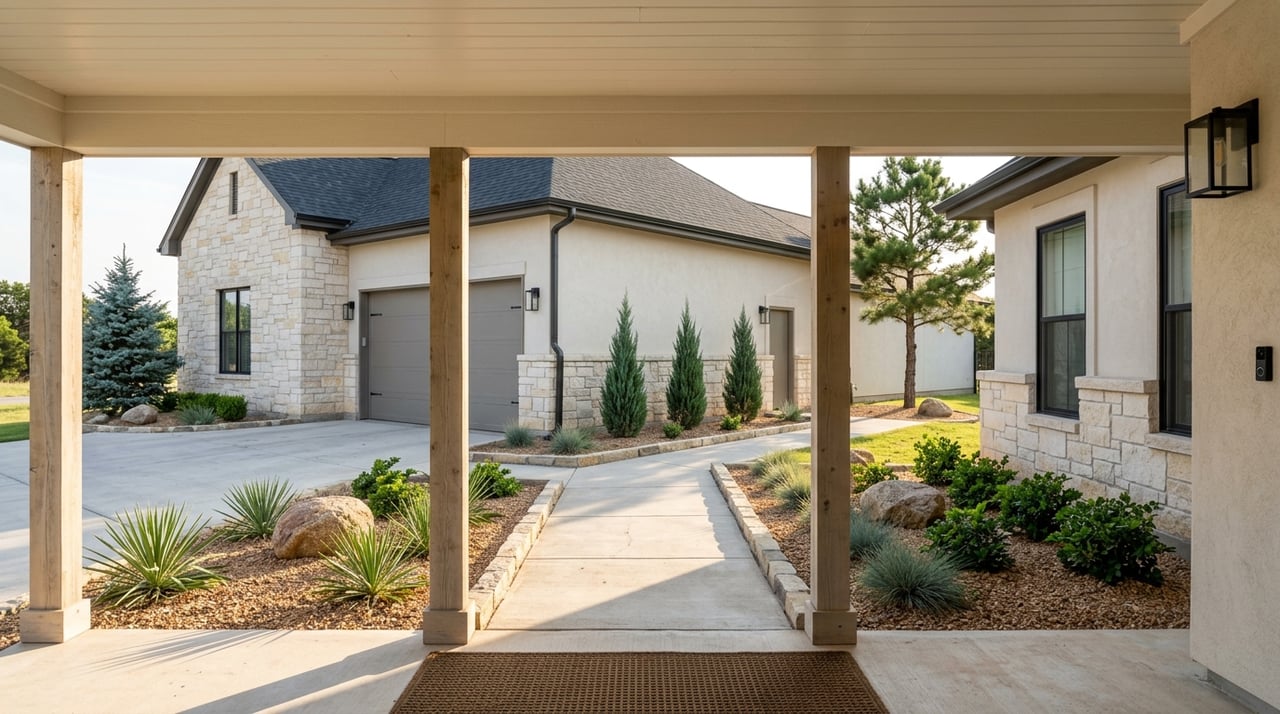
Buying a Home in The Pinery: HOA Rules to Review
July 9, 2026
July 9, 2026
Wondering if buying in The Pinery is as simple as finding a house you love and writing an offer? Not quite. This community offers privacy, mature trees, varied home styles, and beautiful terrain, but it also comes with filing-specific covenants, ARC review requirements, and important site-condition details that deserve a close look. If you are considering a move here, this guide will help you understand how homes, lots, and HOA rules can affect your decision. Let’s dive in.
The Pinery is an unincorporated community in Douglas County with about 1,800 homes. Instead of a city government handling many local matters, county offices manage many public services and records. That matters when you are gathering documents and confirming address-specific details.
From a home search standpoint, The Pinery does not feel like a uniform subdivision. The community includes a mix of detached single-family homes, estate-style properties, townhomes, patio and atrium homes, and in some areas, other attached housing types. That variety is part of the appeal, but it also means you should avoid assuming every property follows the exact same standards.
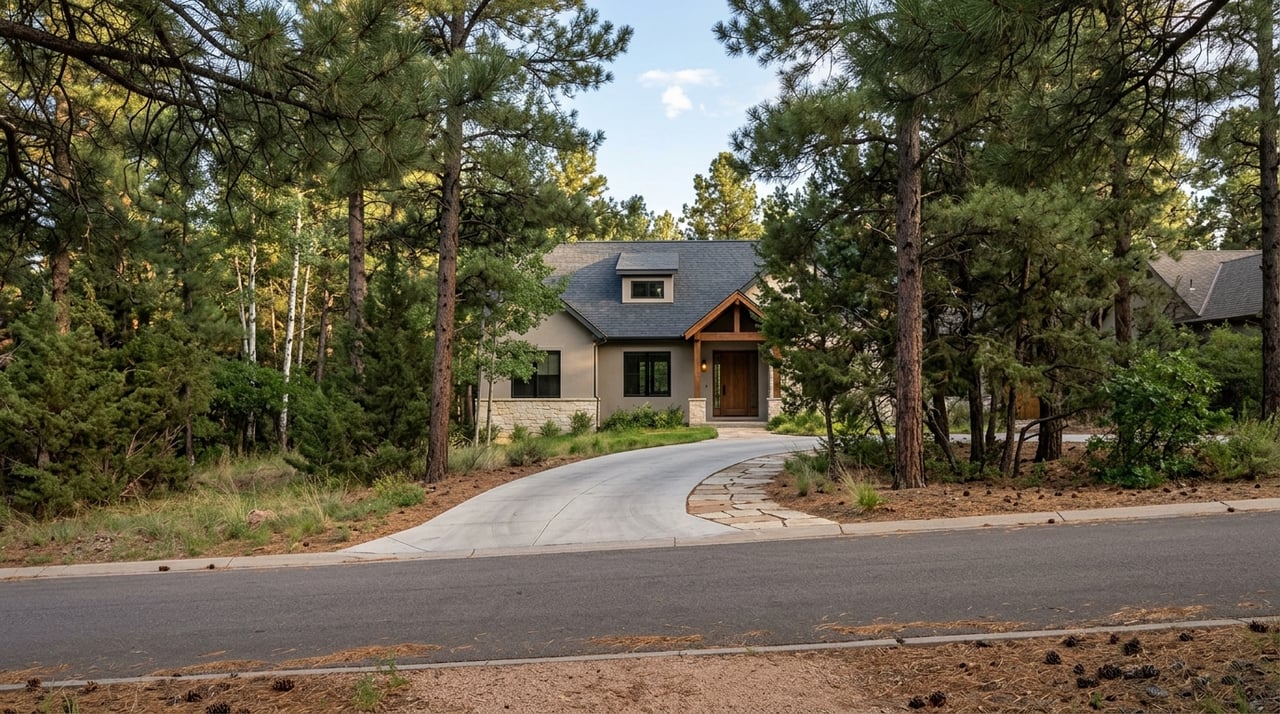
One of the biggest draws in The Pinery is that homes and lots can feel very different from one filing to the next. Some properties sit on hills with long-range views, while others are tucked among pines or aspens. The landscape includes rolling hills, ravines, and drainages, which adds character but also makes due diligence more important.
Lot sizes vary as well. County planning materials note estate residential areas with minimum net lot areas of 30,000 square feet, while parts of the southeast community were reduced to primarily 2.5-acre lots in High Prairie Farms. Historical HOA material also references some replatted open areas with 5- to 10-acre sites and estate-sized homes.
For you as a buyer, the takeaway is simple: focus on the exact property, not just the neighborhood name. A Pinery address can mean very different lot conditions, layout possibilities, and covenant requirements depending on the filing.
In The Pinery, recorded covenants are a major part of ownership. The HOA states that these covenants are filed with Douglas County and function as deed restrictions. That means the home you buy may come with rules that shape what you can change outside, how you maintain the lot, and what approvals you need before work begins.
This is why asking, “Which filing is the home in?” should be one of your first questions. Some filings have their own covenant nuances, and certain landscaping or tree-removal requirements may differ by area. If you skip this step, you could end up surprised by rules that affect your plans for the property.
The Pinery Homeowners’ Association requires membership under its bylaws. Residents can pay $33 per calendar year directly or enroll through the trash program. According to the HOA, that membership helps fund the entryway, pocket parks, community events, the newsletter, the ARC office, and the RV storage lot.
The HOA also maintains three parks and a trail network, including the 4-mile Pinery Loop Trail and connections to the Cherry Creek Regional Trail. That adds value for many buyers who want outdoor access close to home. At the same time, HOA membership does not mean every service works the way it might in a newer master-planned community, so it is smart to confirm what applies to the specific address.
Some of the most important Pinery rules are the ones buyers do not notice until after closing. In this community, most exterior changes need Architectural Review Committee approval before work begins. That includes more than major remodels.
The Pinery requires exterior colors to stay within moderate earth tones that are indigenous and complementary to the area. Bright colors such as white, black, red, blue, yellow, purple, orange, and pink are not allowed. Roof colors also need to remain in the earth-tone range.
If you are buying a home with plans to repaint soon, review these standards early. A color you like elsewhere may not be approved here.
Roofing choices are limited to approved materials. The ARC also notes that The Pinery is a high fire risk area and recommends Class A fire-resistant roofs and Class 4 hail-resistant roofs.
That makes roof age, condition, and material especially important during inspections. If a roof is nearing the end of its life, replacement may involve both practical and approval-related considerations.
Landscaping changes require approval, including tree removal, xeriscape, hardscape, and nonvegetative turf. The ARC encourages xeriscaping, but changes cannot harm drainage, and gravel used for parking will not be approved.
This matters because landscaping in The Pinery is not just cosmetic. Trees, slope, drainage, and defensible space can all affect maintenance, safety, and future project costs.
Fence installation must be submitted for approval before work starts. Split rail is encouraged, six-foot fences are allowed, and privacy fences are only allowed in special approved circumstances.
The standards also say recreational equipment should be placed at the rear of the house and kept from interfering with neighbors or county right-of-way. If your wish list includes a more enclosed yard or visible play equipment, make sure the property and filing can support that plan.
Driveway extensions require approval and must be hard-surfaced. The ARC specifically states that driveway additions will not be approved if the intended use is storage for a boat, non-emergency commercial vehicle, recreational vehicle, or trailer.
That is a key rule for buyers with extra vehicles or outdoor gear. If you need space for an RV, trailer, or boat, ask early whether there is an approved option for storage.
Signage is limited to two signs per property, with narrow exceptions for real estate open houses and garage sales. Solar, shade, and other energy-efficiency systems may be allowed, but ARC approval is required before installation.
If energy efficiency is a priority for you, this is still a workable path, but it reinforces the need to plan improvements in advance. Approval should be part of your timeline, not an afterthought.
In The Pinery, smart buying goes beyond square footage and finishes. The terrain and tree coverage that make the community attractive can also create maintenance and safety considerations. A home that shows beautifully online may need extra review once you look at access, drainage, and vegetation.
The community wildfire assessment rates The Pinery as high wildfire risk. It notes that many homes have limited defensible space and flammable landscaping near the structure, and it recommends evacuation planning. It also points out that some driveways lack turnarounds and some streets are dead ends, which can affect emergency access.
When you inspect a Pinery home, pay close attention to the systems and site features that could affect both ownership costs and future approvals.
The architectural standards note that retaining walls require ARC approval, and walls over 4 feet may need a county building permit. That means visible site improvements should be reviewed carefully, not just admired for curb appeal.
A well-prepared buyer should ask for more than the standard disclosure package. In The Pinery, paperwork can tell you a lot about whether past work was approved and whether future plans are realistic.
Ask for these items before closing:
These documents can help you avoid surprises after move-in. They can also clarify whether a prior owner completed improvements with the proper approvals.
Because The Pinery is unincorporated and service details can vary by address, it is worth confirming a few basics during your due diligence period. Do not assume every home has the same trash setup, utility provider, or neighborhood service pattern.
The HOA says the Pinery Trash Program is voluntary and only covers certain filings and nearby neighborhoods. It does not include the Timbers, High Prairie Farms, Pinery Pointe, or the Pinery Townhomes. The HOA also states that Douglas County Public Works handles snow removal in The Pinery.
Utility providers should also be verified by address. The HOA lists CORE for electricity, Xcel Energy for gas in the north Pinery area, Black Hills Energy for gas in the south Pinery area, and the Pinery Water & Wastewater District for water and sewer.
If you need storage for an RV, trailer, or boat, address that question early in your search. The HOA’s standards limit driveway additions intended for that kind of storage, and the community RV lot has limited availability with a wait list.
This does not mean ownership is impossible for buyers with those needs. It just means storage should be part of your up-front decision-making, not a problem you solve after closing.
The Pinery tends to appeal to buyers who value privacy, mature trees, varied architecture, and a less uniform feel than many newer neighborhoods. You may love it if you want a home with character and a setting that feels shaped by the land rather than built from one template.
At the same time, buying here usually requires more address-specific research and more attention to paperwork than a newer planned community. If you go in informed, that extra effort can help you buy with more confidence and fewer surprises.
If you are considering a home in The Pinery, having the right local guidance can make the process much smoother. From reviewing filings and covenant details to helping you evaluate site conditions and future improvement plans, Mariel Ross can help you move forward with clarity.
Stay up to date on the latest real estate trends.
Whether you’re buying or selling, I’m here to guide you through every step of the process. With personalized service and a deep understanding of the market, I’ll ensure your real estate experience is successful.