Littleton Older Homes or New Builds: Which Is Right?
June 25, 2026
June 25, 2026
Wondering whether Littleton’s historic charm is worth the upkeep, or if a newer home will make daily life easier? You are not alone. Many buyers looking in Littleton end up choosing between character-rich older homes near downtown and newer pockets with more modern systems, planned amenities, and lower early maintenance risk. The good news is that this decision gets clearer once you know what each option really offers. Let’s dive in.
Littleton is a mature suburban market, but it does not live the same way block by block. The city had a population of 45,652 in the 2020 Census, with a 61.2% owner-occupied housing rate and a median owner-occupied home value of $630,600. More recently, Redfin’s March 2026 snapshot placed the median sale price at $634,950, with homes selling in about 18 days and receiving about two offers on average.
That market context matters because both old-town homes and newer pockets compete within the same citywide price environment. Your choice is often less about finding a “better” part of Littleton and more about deciding which ownership style fits your priorities.
If you picture tree-lined streets, one-of-a-kind facades, and easy access to downtown activity, Old Town Littleton may feel like the obvious draw. The historic core is anchored by the Main Street Historic District, with a period of significance from 1870 to 1970, and the Louthan Heights Historic District, with a period of significance from 1921 to 1929.
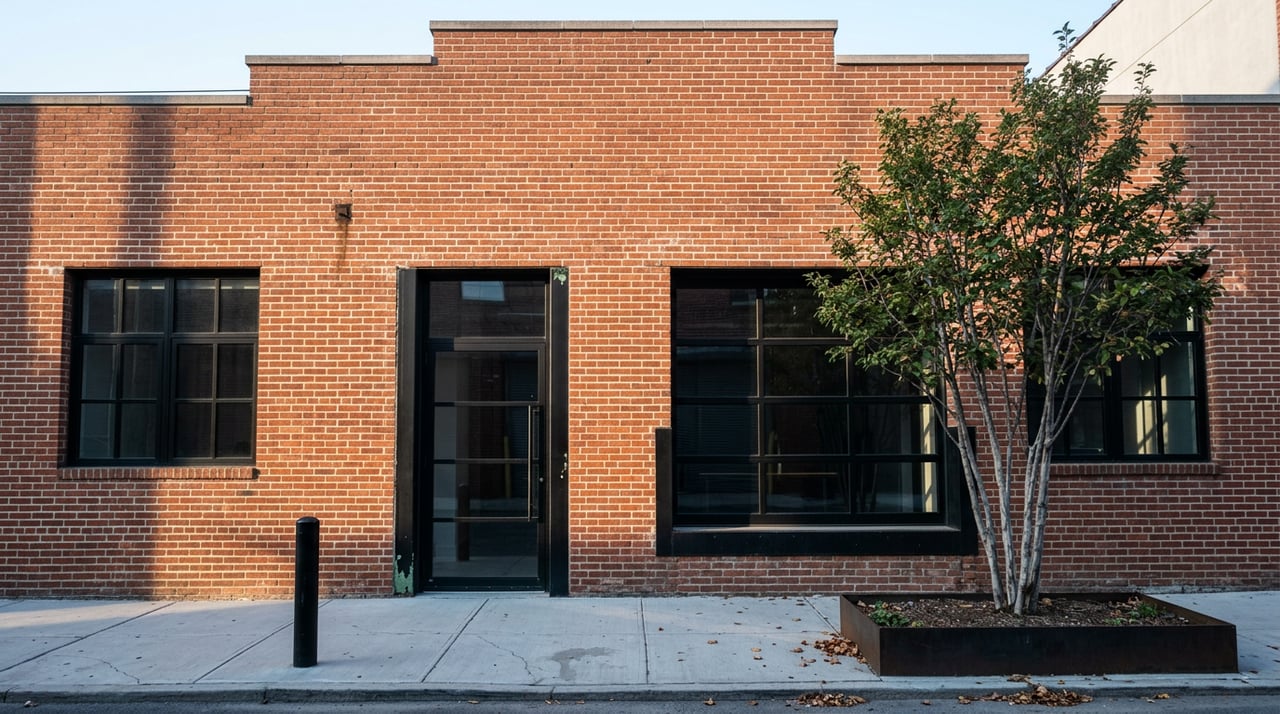
That history shows up in the architecture. Downtown Littleton includes styles such as Art Moderne, Italianate commercial buildings, Early 20th Century Commercial, Mission Revival, Renaissance Revival, and vernacular residential forms. Individual landmark homes also reflect styles like Queen Anne and English or Norman Cottage.
Older homes near downtown often offer something hard to duplicate in newer construction: visual variety. You may find details, floor plans, and exterior character that feel personal and distinct rather than repeated from one block to the next.
There is also a stronger downtown feel in this part of Littleton. The city’s design standards for downtown require pedestrian-active ground floors, street-facing facades, and human-scale detailing. That helps explain why the area feels more compact and walkable than much of the city overall.
The location can also support a more connected lifestyle. Littleton highlights its historic downtown, community events, trail system, parks and open spaces, and two light rail stations as part of the city’s appeal. RTD’s Littleton/Downtown Station adds rail service and nearby bus connections, which can make certain pockets feel more accessible.
Charming homes can come with a more hands-on ownership experience. If you buy in a historic district, exterior changes may involve extra review through Littleton’s certificate of historic appropriateness process.
According to the city code, that review can apply to work such as erection, partial demolition, moving, reconstruction, restoration, or alteration within a historic district. Routine maintenance and repair are treated separately when no permit is required. In simple terms, if you want to make visible exterior updates, the process is usually more involved than it would be in a newer area.
You will also want strong due diligence on the house itself. For older homes, roofing, plumbing, and electrical systems deserve close attention during inspection. If the home was built before 1978, renovation work can also raise lead-dust concerns, which is important to understand before planning updates.
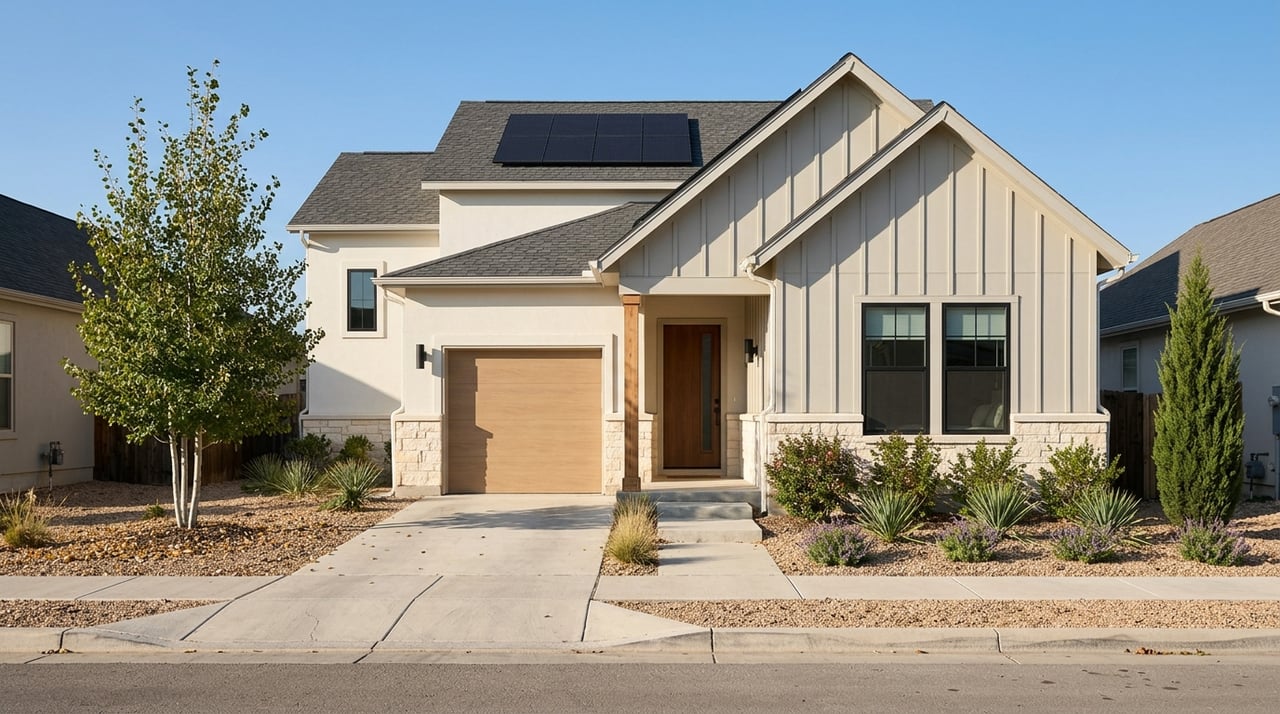
If your priority is lower early maintenance and more predictable systems, newer homes may be the better match. In Littleton proper, newer housing tends to show up as infill and mixed-use redevelopment rather than large new suburban tracts.
Current city project files point to examples like RiverPark and Aspen Grove. These areas emphasize housing, public space, open space, and connections to trails or transit. That gives newer-pocket Littleton a very different feel from the historic core.
Newer projects often appeal to buyers who want a more streamlined ownership experience. You are more likely to get modern systems, newer materials, and a layout shaped around contemporary living patterns.
The planning style is different too. RiverPark, for example, describes connections to the South Platte River corridor and the Mineral light rail area, while Aspen Grove emphasizes retail, housing, public space, and RTD access. That means newer Littleton living can still be lifestyle-oriented, even if it does not have the same historic street pattern as downtown.
Architecturally, many newer projects lean toward modern agrarian or contemporary vernacular design. RiverPark’s standards reference ranch, agrarian, prairie, and western-industrial influences, which creates a look that feels current while still drawing from regional character.
One of the biggest advantages is maintenance predictability. Builder warranties commonly cover workmanship and materials for about one year, HVAC, plumbing, and electrical systems for about two years, and sometimes major structural defects for up to 10 years, though coverage varies by builder and contract.
That does not mean you should skip inspections. It does mean that many buyers feel more comfortable with the reduced chance of immediate repair surprises compared with an older home.
Newer homes can also be a simpler fit if you want easier exterior customization. In general, newer neighborhoods do not carry the same historic-district review steps that apply in parts of Old Town Littleton.
The best choice usually comes down to what you want your daily life and ownership experience to feel like. Littleton is not a simple old-versus-new decision. It is a pocket-by-pocket choice between character, downtown access, and a more involved ownership process on one side, and newer systems, planned amenities, and lower early maintenance risk on the other.
Here is a simple comparison:
| Priority | Old Town Littleton | Newer Pockets in Littleton |
|---|---|---|
| Architectural style | More variety and historic character | More consistent modern design |
| Walkable feel | Stronger in the historic core and rail-adjacent areas | Varies by project and site planning |
| Maintenance risk | Higher chance of repairs due to age | Lower early risk with newer systems |
| Exterior changes | May require historic review | Usually simpler process |
| Amenities | Downtown events, shops, trails, rail access nearby | Planned public spaces, mixed-use design, transit or trail connections |
| Ownership feel | More hands-on and character-driven | More predictable and convenience-focused |
Neighborhood-specific pricing can vary, but citywide numbers give you a useful baseline. The Census reports a median owner-occupied value of $630,600 in Littleton, median monthly owner costs with a mortgage of $2,437, and median gross rent of $1,819.
Those numbers help frame the choice in practical terms. You may be paying for historic character and downtown access, or for newer systems and planned amenities, but both paths sit within the same broader Littleton housing market.
If you are comparing options, it helps to think beyond price alone. A lower-maintenance home may reduce near-term repair spending, while an older home may offer a setting and style that matters more to you over time.
If you want the strongest downtown feel, the historic core or a rail-adjacent pocket is usually the clearest fit. That is where Littleton’s design standards and transit access support a more walkable, active setting.
If you want the least near-term maintenance risk, a newer project is often the cleaner answer. Newer systems and builder warranty coverage can reduce uncertainty during your first years of ownership.
If you want the easiest path to exterior updates, a newer home may also make more sense. Historic district rules can add time and review steps in older parts of town.
The right answer depends on how you weigh charm, convenience, flexibility, and maintenance. Some buyers fall for Old Town the moment they walk it. Others know right away that newer construction better matches their schedule, budget comfort, and preference for modern systems.
A helpful way to decide is to tour both styles back to back. Seeing a historic home near downtown and a newer infill or mixed-use option in the same weekend can make your priorities much more obvious.
Whether you are drawn to historic architecture or modern low-maintenance living, a smart Littleton home search starts with matching the home to your lifestyle, not just the listing photos. If you want help comparing resale homes, newer construction, or builder options in Littleton, Mariel Ross can help you narrow the field and move with confidence.
Stay up to date on the latest real estate trends.

Whether you’re buying or selling, I’m here to guide you through every step of the process. With personalized service and a deep understanding of the market, I’ll ensure your real estate experience is successful.